
A slow cooker can turn simple ingredients into a warm, cozy meal while you go about your day. But many people just toss food in and hope for the best, then wonder why dinner tastes a little flat.
With a few smart tricks, you can get richer flavor, better texture, and meals your whole family will ask for again. Here are the secrets that make a real difference.
1. Brown the Meat First
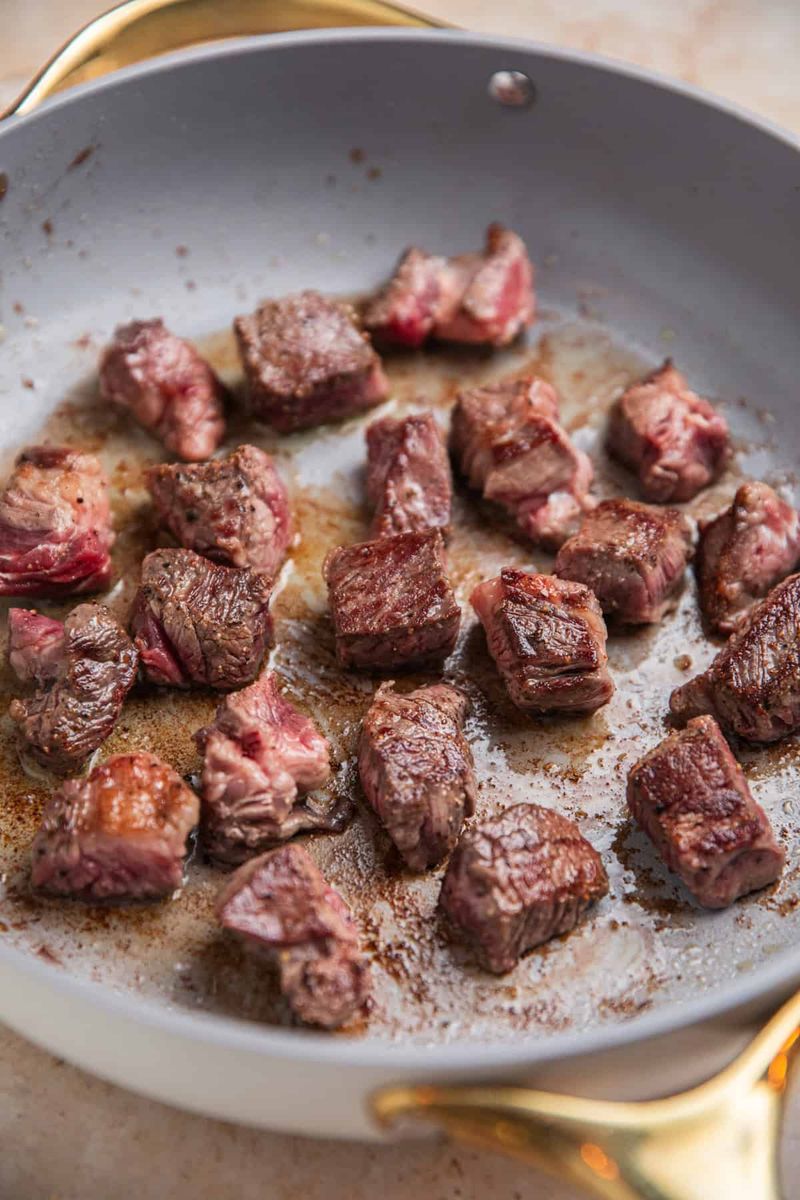
Ever notice how restaurant stew tastes deeper than homemade? The answer is often a quick sear.
Browning meat in a hot pan creates a tasty crust through something called the Maillard reaction.
That crust adds rich, roasted flavor that a slow cooker cannot make on its own. It only takes about five minutes per batch.
Bonus tip: pour a splash of broth into the hot pan and scrape up the brown bits, then add them to the pot.
2. Go Easy on the Liquid
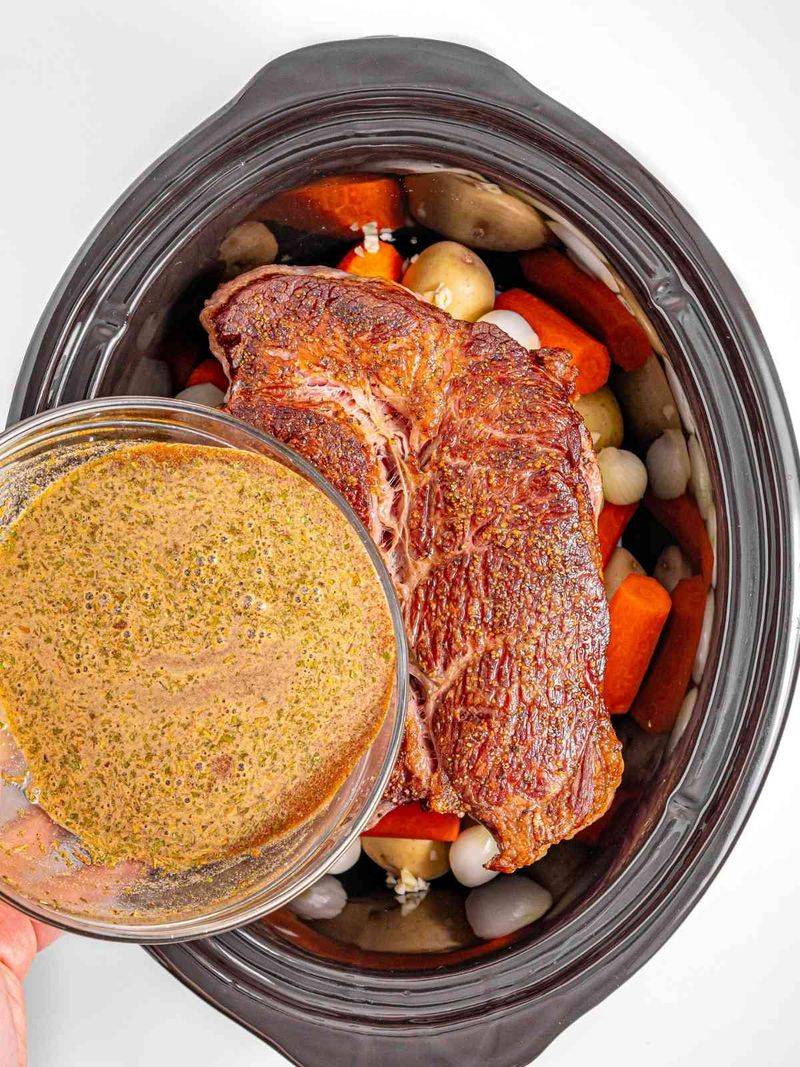
Here is a mistake almost everyone makes at the start. Since a slow cooker has a tight lid, very little steam escapes during cooking.
Meat and vegetables also release their own juices as they heat up. If you pour in lots of water, you end up with a watery, bland sauce.
Try using about half the liquid a stovetop recipe calls for. Usually, one cup is plenty for a big roast.
Your sauce will taste bold instead of thin.
3. Layer Root Vegetables on the Bottom
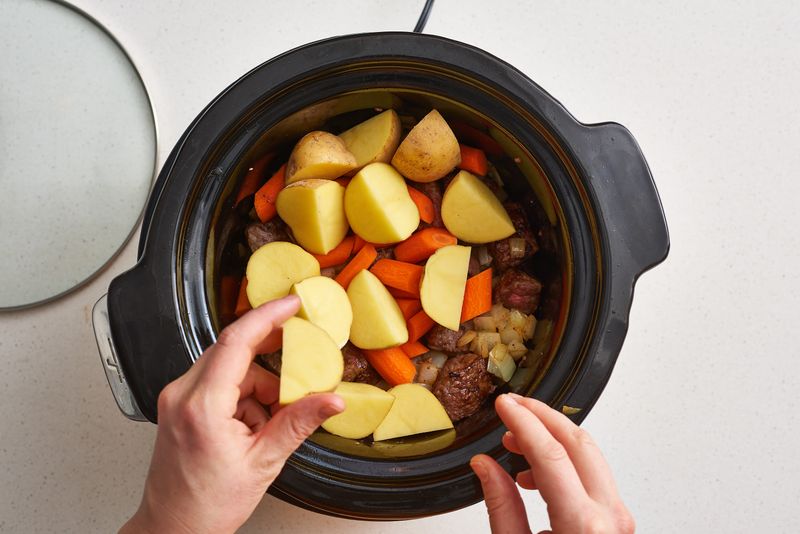
Think of your slow cooker like a tiny apartment building. The bottom floor gets the most heat because it sits closest to the heating element.
Hard vegetables like potatoes, carrots, and turnips need more time to soften, so they belong down there. Put meat on top, where it can drip flavor onto everything below.
Following this simple order means no more crunchy potatoes next to perfectly tender chicken. Everything finishes at the same time.
4. Keep That Lid Closed
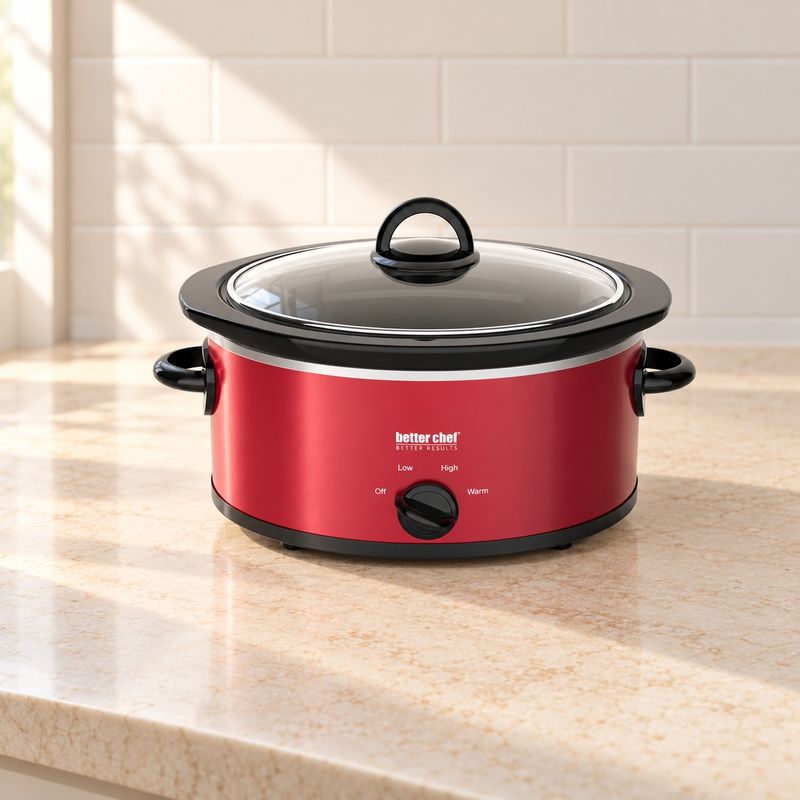
Peeking is tempting, right? The smell fills the house, and you just want one look.
Resist the urge!
Every time you lift the lid, a slow cooker can lose a lot of heat. Some cooks say it adds 15 to 30 minutes to your cooking time.
Glass lids exist for a reason, so just look through them. If the glass is foggy, give it a gentle tap to slide the drops down.
5. Add Fresh Herbs at the End
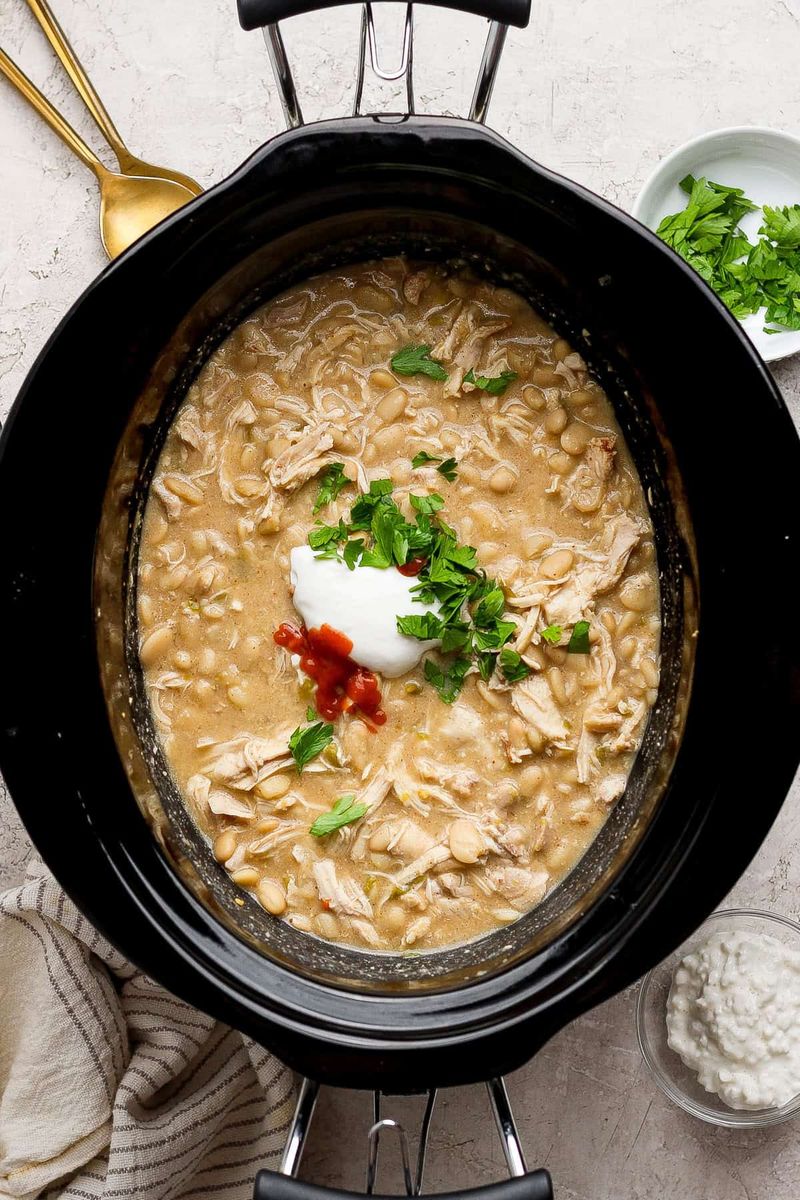
Dried herbs and fresh herbs act very differently in long cooking. Dried ones like oregano, thyme, and bay leaves can handle hours of heat and slowly release flavor.
Fresh basil, parsley, and cilantro are much more delicate. After eight hours, they turn dark, limp, and taste like almost nothing.
Stir them in during the last few minutes or sprinkle them on top right before serving. The bright green color makes the dish look amazing too.
6. Brighten Things with Acid
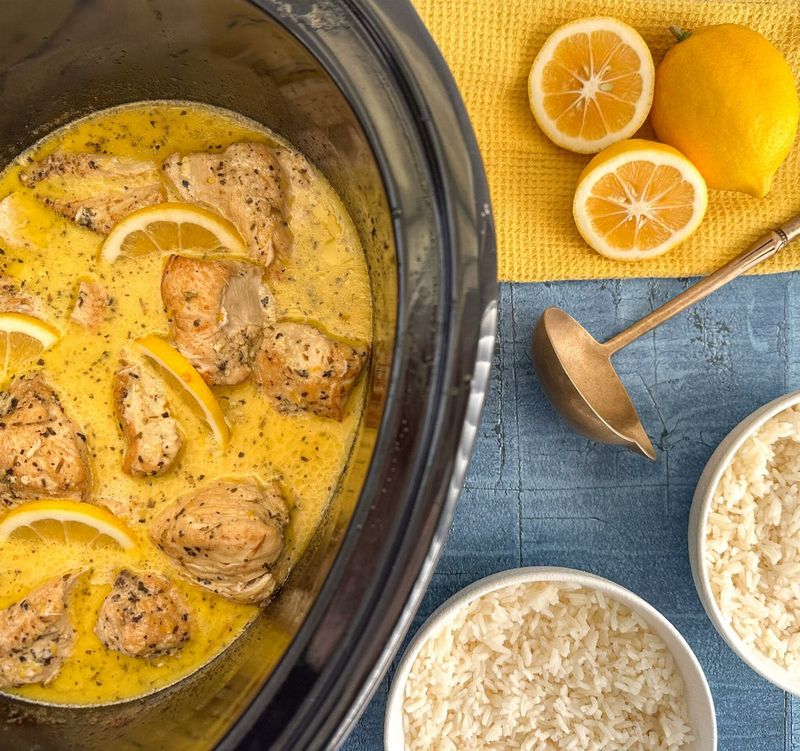
Picture a stew that tastes good but somehow feels heavy and dull. A tiny squeeze of lemon can wake it right up.
Long cooking blends flavors together so much that they can become muddy. Acid from lemon juice, lime juice, or a splash of vinegar adds a fresh spark.
Start with just one teaspoon, stir, and taste. Many chefs call this their secret weapon, and once you try it, you will understand why.
7. Pick Tougher, Cheaper Cuts
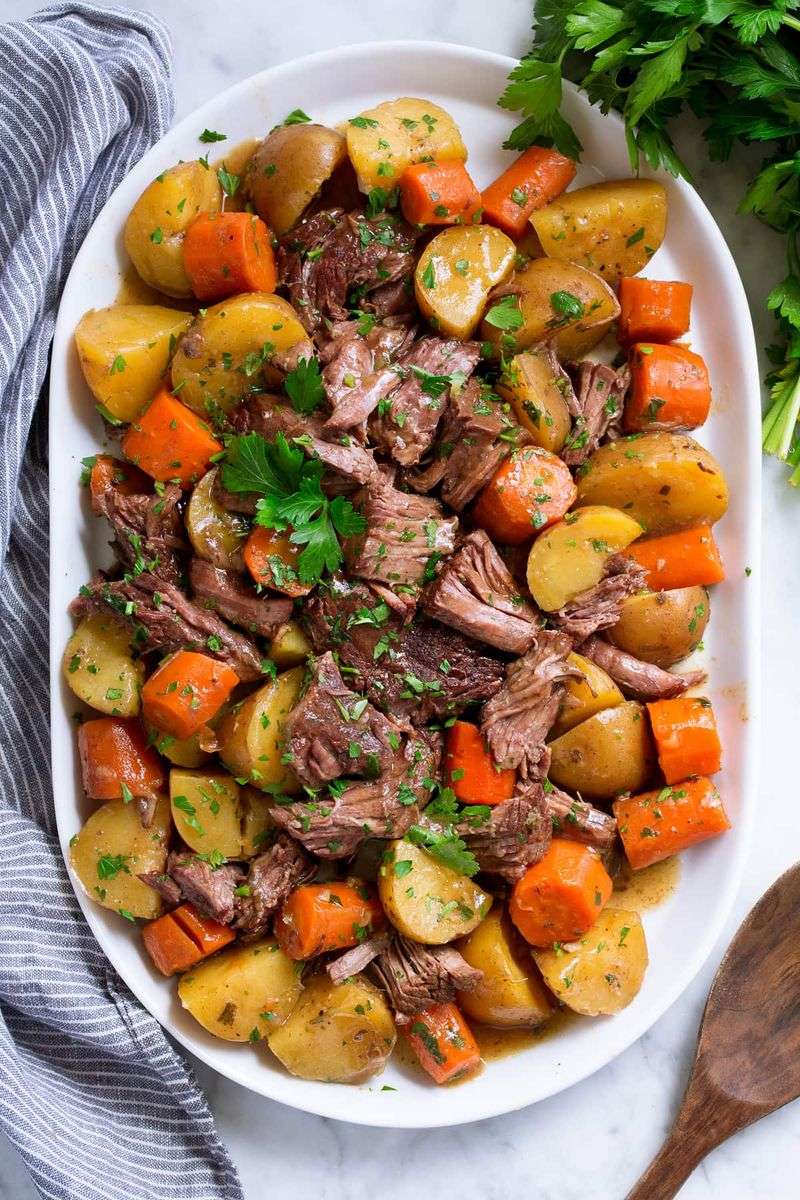
Good news for your wallet: the cheapest cuts often work best! Chuck roast, pork shoulder, and chicken thighs are full of connective tissue.
Over many hours, that tough tissue melts into gelatin, making meat juicy and fall-apart tender. Lean cuts like chicken breast or pork loin can dry out and turn stringy instead.
So skip the pricey steak when you plan a slow cooker meal. The humble cuts truly shine here.
8. Save Dairy for Later
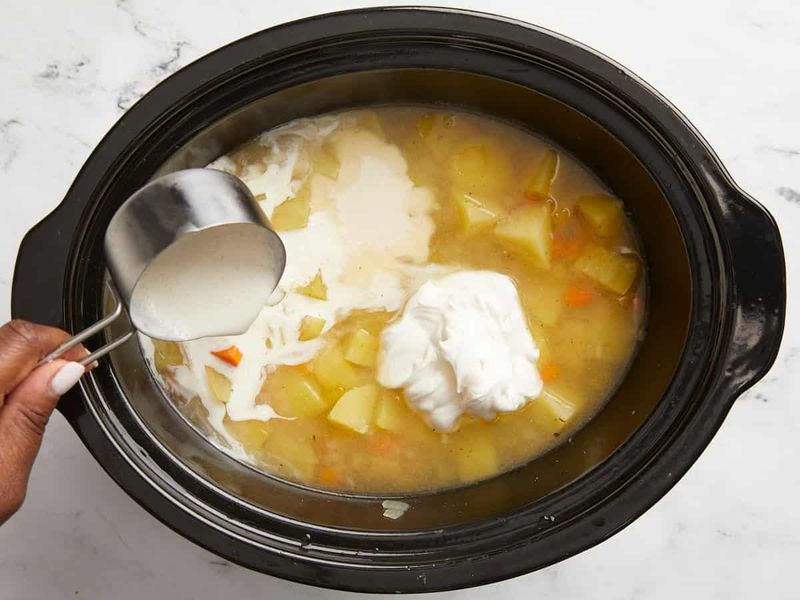
Nobody wants grainy, curdled soup. Sadly, that is what often happens when milk, cream, sour cream, or cheese cooks for hours.
High heat over a long time makes dairy separate into lumpy bits. The flavor might be fine, but the texture looks unpleasant.
Instead, stir in dairy during the last 20 to 30 minutes. Set the cooker to low, let it warm through, and enjoy a silky, smooth result every time.
9. Don’t Overfill the Pot
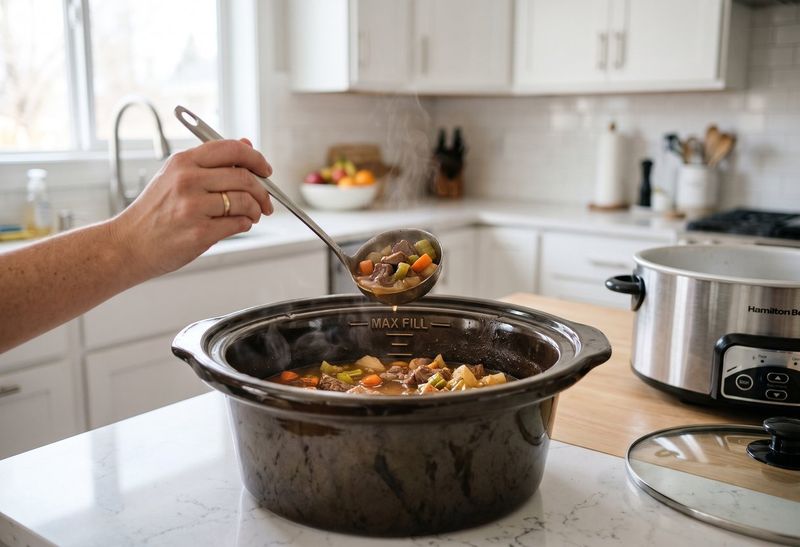
A packed pot feels efficient, but it can backfire. Most slow cooker makers suggest filling it between half and two-thirds full.
Too much food means the top layer may not cook evenly or safely. Too little food can burn or dry out because it heats up too quickly.
If you often cook for a crowd, consider a bigger model. For small families, a three or four quart cooker might suit you better.
10. Thicken Sauces Like a Pro
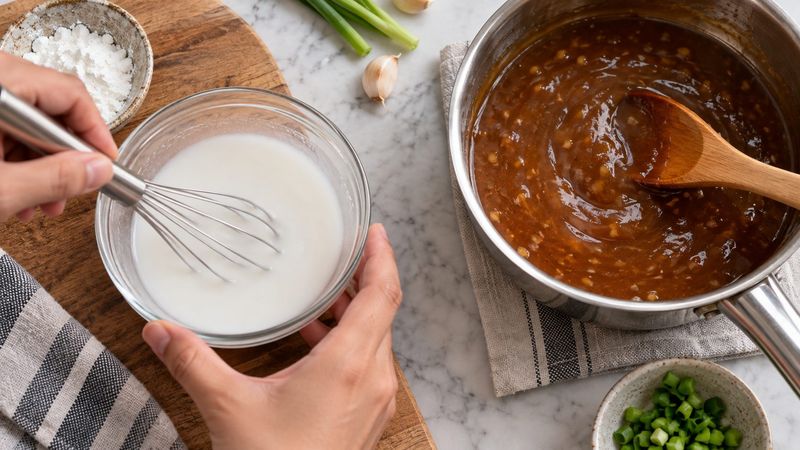
My grandma had a trick for gravy that never failed. She mixed cornstarch with cold water in a little cup, then stirred it into the pot near the end.
This mixture, called a slurry, thickens thin sauces without lumps. Use about one tablespoon of cornstarch for every cup of liquid.
Leave the lid off and cook on high for 15 more minutes. You will get glossy, rich sauce that clings to every bite.
11. Sauté Your Onions and Garlic
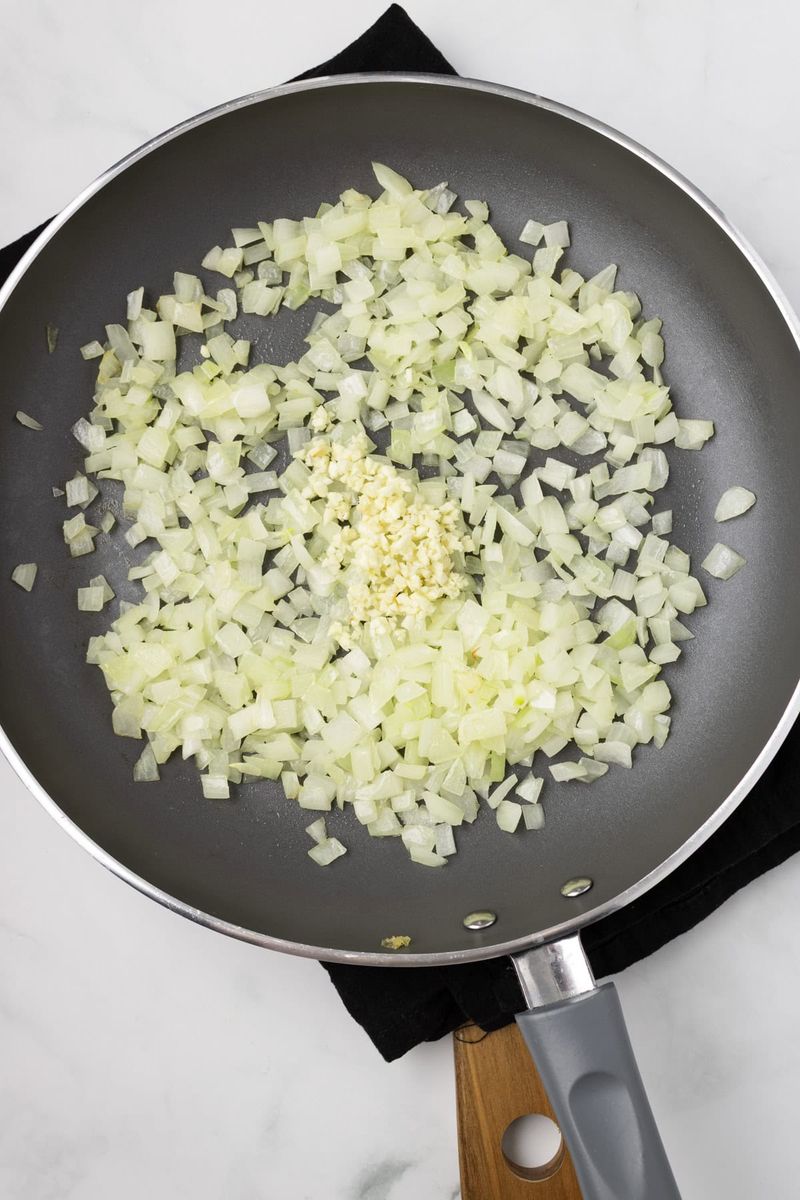
Raw onions tossed straight into a slow cooker can taste sharp and a bit sulfur-like. A few minutes in a pan changes everything.
Cooking onions and garlic in butter or oil softens their bite and brings out natural sweetness. They turn golden and smell wonderful.
Fun fact: onions contain natural sugars that caramelize when heated. That is why sautéed onions taste almost sweet.
It is a small step with a big payoff.
12. Use Low Heat Whenever You Can
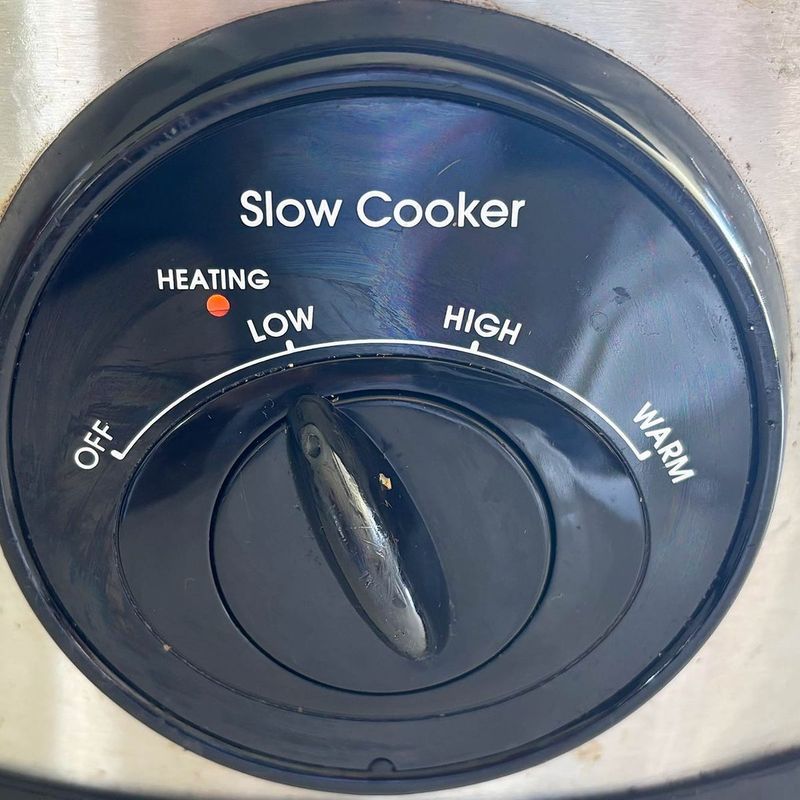
Patience really pays off with slow cooking. The low setting lets meat break down gently, which keeps it moist and tender.
High heat works when you are in a rush, but it can toughen proteins. A general rule is that one hour on high equals about two hours on low.
If your schedule allows, choose low. Start it in the morning, head out, and come home to a dinner that practically melts.
13. Boost Flavor with Umami Helpers
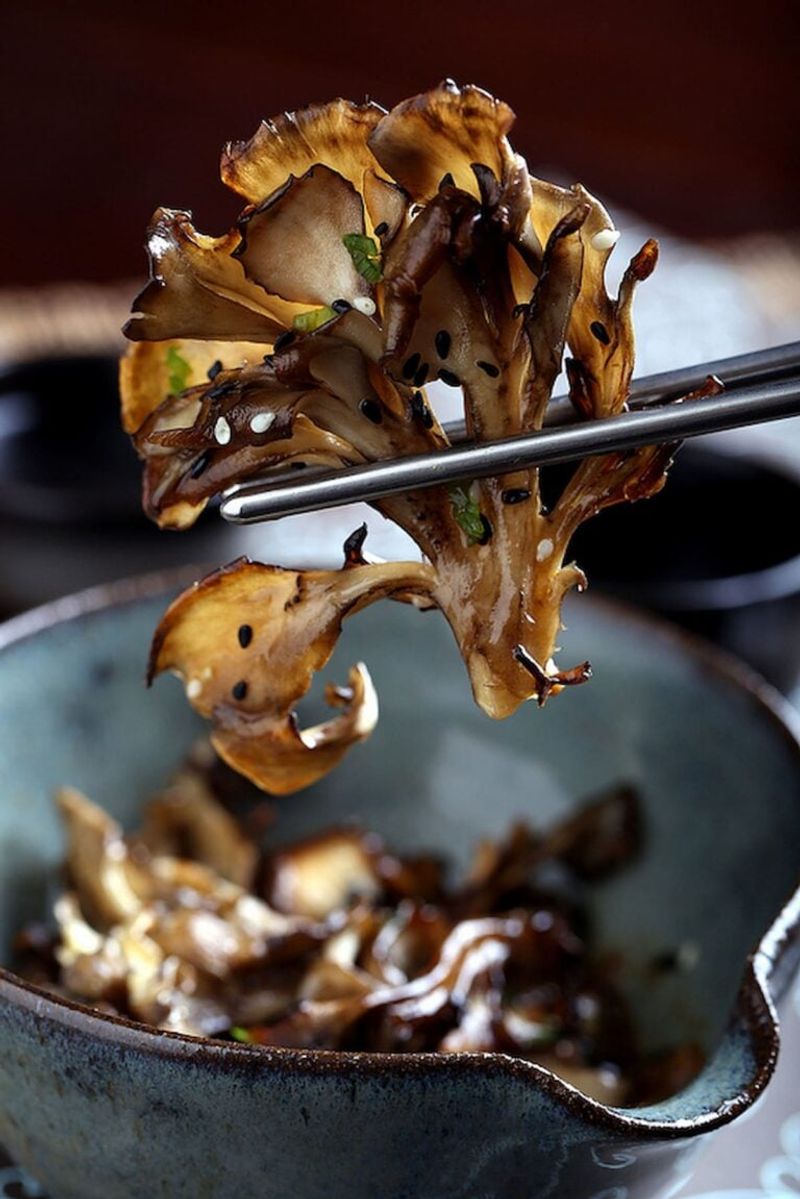
Umami is the fifth taste, a savory, meaty flavor that makes food feel satisfying. A Japanese scientist named it over 100 years ago.
You can add it easily with pantry items. Try a spoonful of tomato paste, a dash of soy sauce, Worcestershire sauce, or even a leftover parmesan rind.
These ingredients deepen flavor without screaming for attention. Guests will just know your chili tastes amazing, even if they cannot guess why.
14. Skim the Fat Before Serving
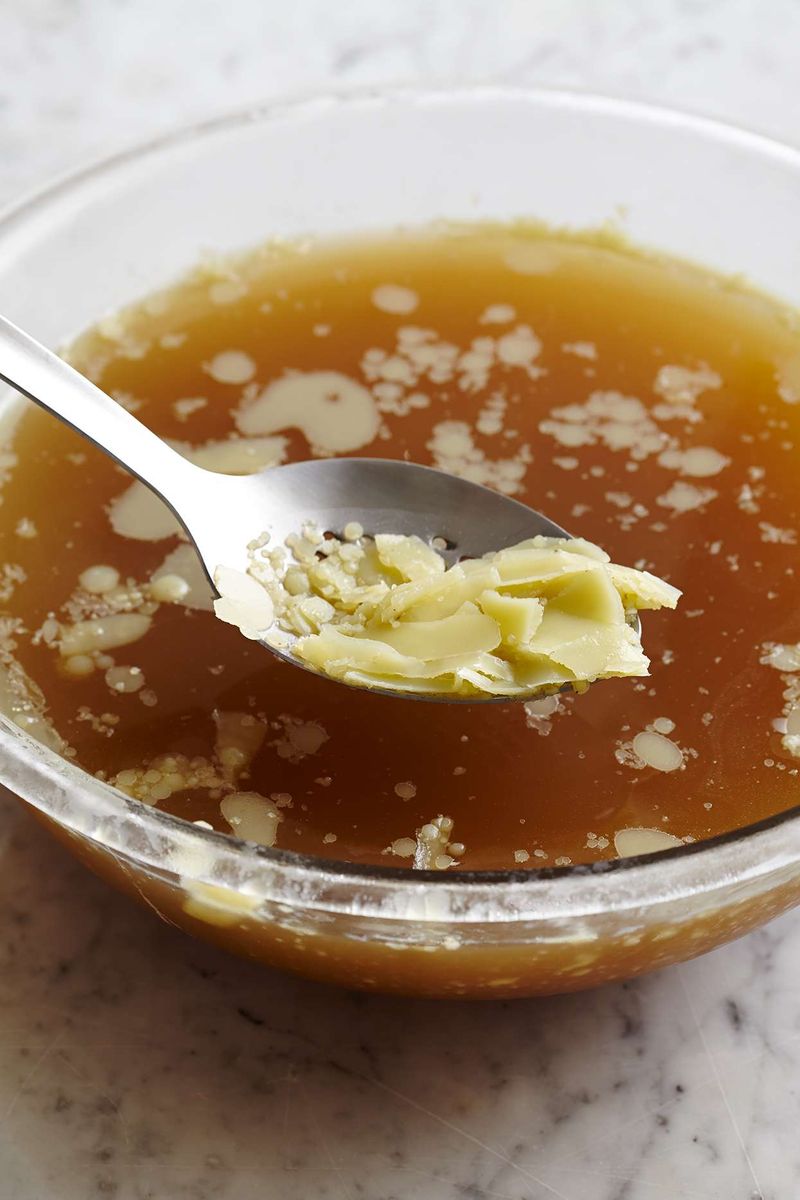
Fatty cuts make wonderful meals, but they also leave a greasy layer on top. Eating that oily film is not exactly pleasant.
Use a large spoon or ladle to gently skim it off. Another handy trick involves dragging a paper towel across the surface to soak it up.
Got extra time? Chill leftovers overnight.
The fat hardens into a solid layer that lifts right off, leaving cleaner, tastier sauce behind.
15. Season in Stages
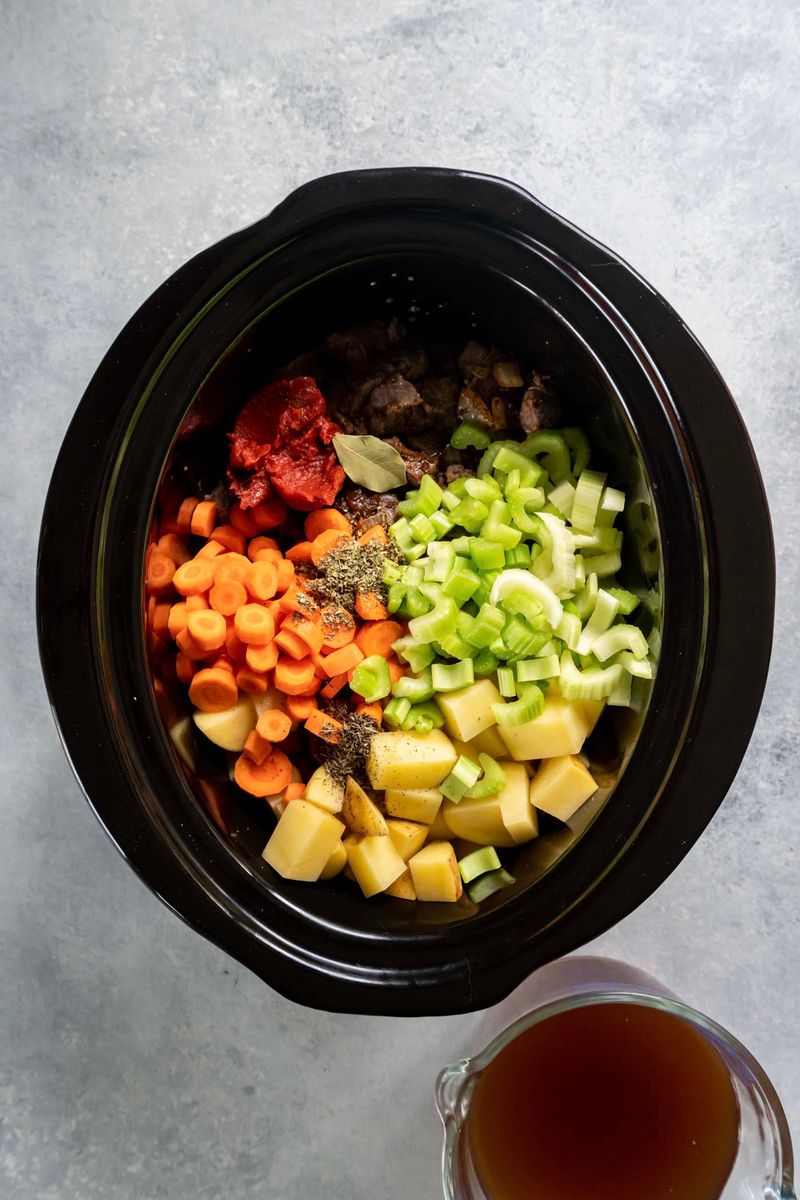
Salt behaves sneakily in a slow cooker. As liquid cooks down, flavors get stronger, so too much salt early can ruin dinner.
Add a modest amount at the beginning to season the meat. Then taste near the end and adjust as needed.
Spices like cumin or paprika can fade over long cooking times too. A small extra pinch before serving brings them back to life.
Always trust your spoon over the recipe.
16. Thaw Frozen Meat First
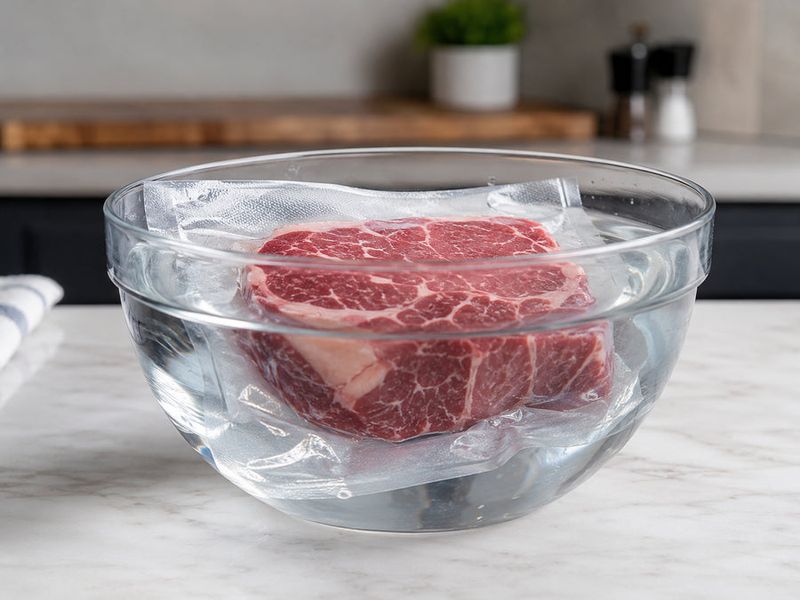
Dropping a frozen chicken straight into the pot sounds super convenient. Unfortunately, food safety experts warn against it.
Frozen meat takes too long to heat up, spending hours in the danger zone between 40 and 140 degrees Fahrenheit. Bacteria grow quickly in that range.
Plan ahead by moving meat to the fridge the night before. Thawed meat also cooks more evenly, so your meal turns out safer and tastier.
17. Toss in Quick Veggies Late
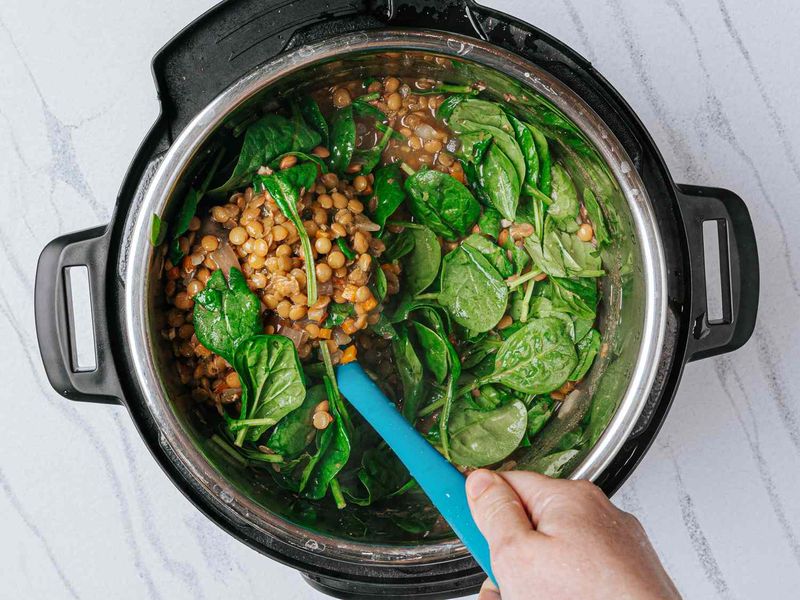
Mushy peas, anyone? Probably not.
Soft vegetables simply cannot survive eight hours of heat.
Zucchini, spinach, peas, and bell peppers cook fast. Add them during the final 30 minutes so they stay colorful and keep a little bite.
Leafy greens like kale or spinach need only five to ten minutes. Stir them in just before serving, and they will wilt perfectly while holding onto their nutrients and fresh taste.
18. Try a Splash of Wine or Beer
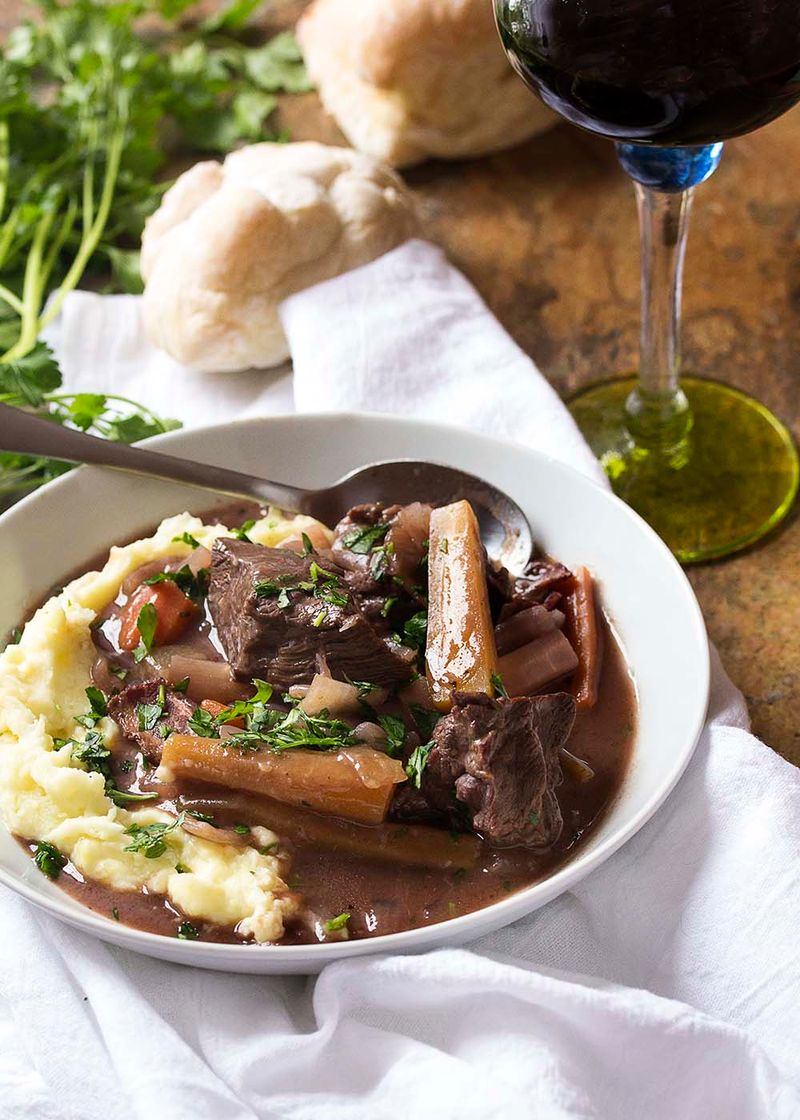
French cooks have braised beef in red wine for centuries, giving us classics like beef bourguignon. You can borrow that idea at home.
A half cup of wine or beer adds depth and a gentle tang. Dark beer pairs nicely with beef, while white wine suits chicken.
Prefer to skip alcohol? Use grape juice with a little vinegar, or try apple cider.
Each brings a sweet, complex twist.
19. Finish Under the Broiler
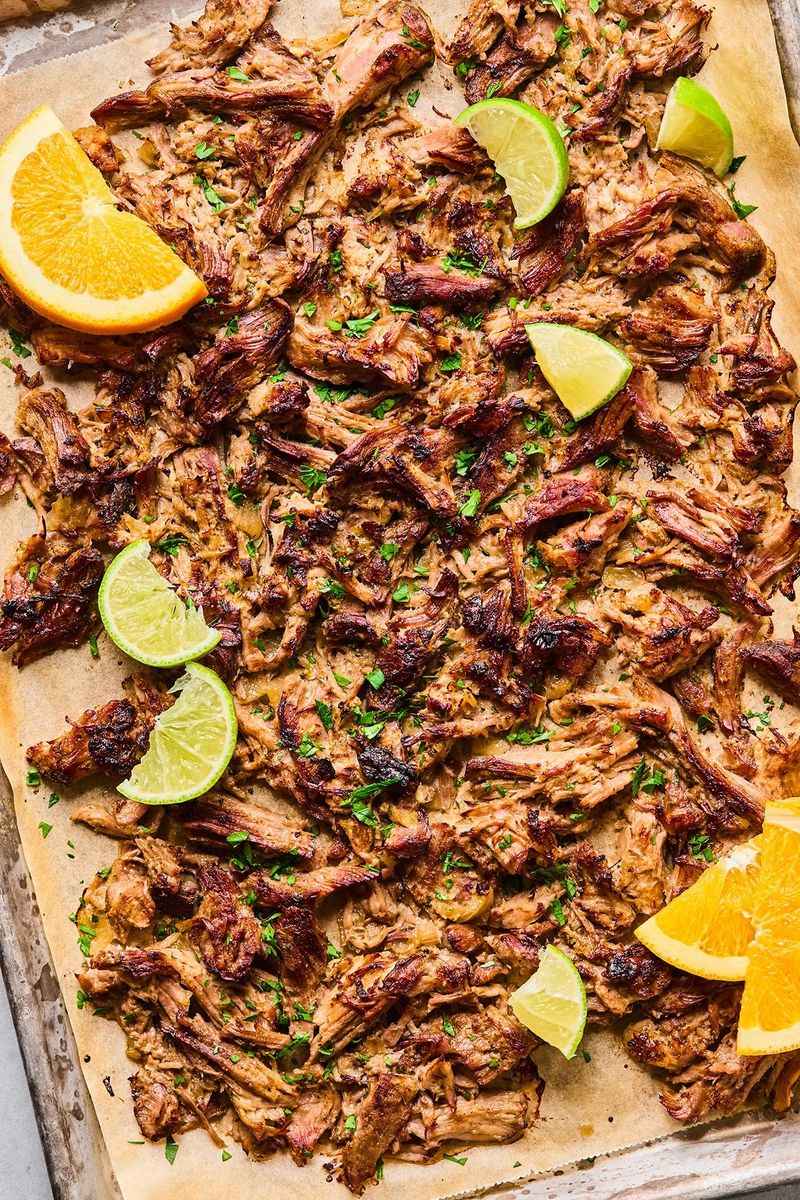
Slow cookers make food tender, but they never make it crispy. Luckily, your oven can fix that in minutes.
Spread pulled pork or chicken on a sheet pan and slide it under the broiler. In about three to five minutes, the edges turn crunchy and golden.
Watch closely, though, because broilers work fast. That crispy finish makes tacos, sandwiches, and bowls feel like they came from a favorite restaurant.
20. Use Liners for Easy Cleanup
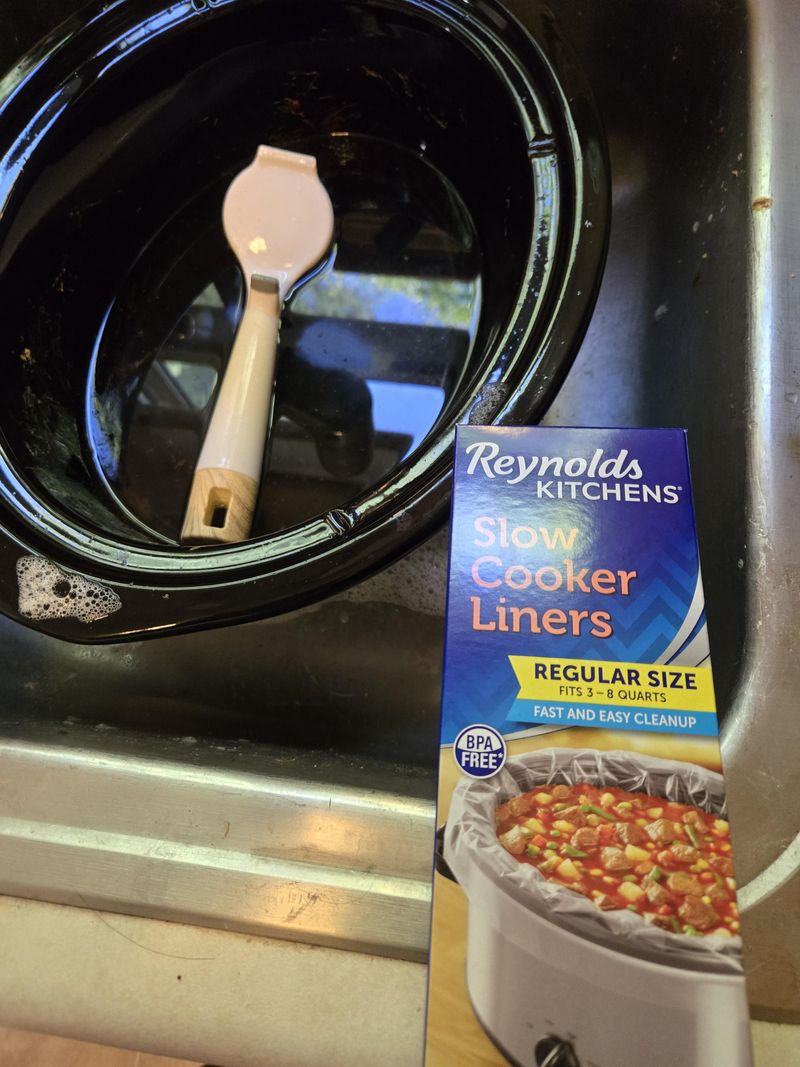
Scrubbing baked-on cheese from a crock is nobody’s idea of fun. Slow cooker liners can save you a lot of elbow grease.
These heat-safe bags fit inside the pot and hold your food while it cooks. Once dinner is done, just lift them out and toss.
Less cleanup means you will probably use your slow cooker more often. A lightly greased crock also works if you prefer skipping plastic.
21. Let the Food Rest Before Serving
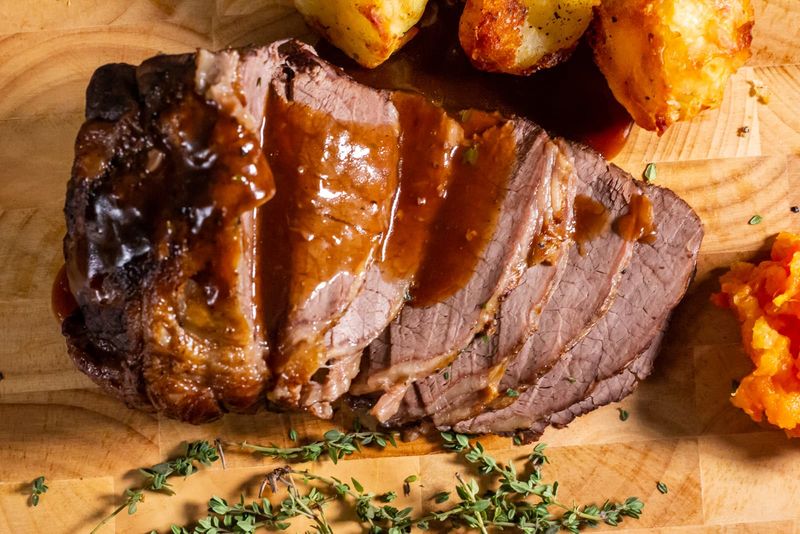
Hungry people often rush straight to the pot. Waiting just ten minutes, however, can improve your meal.
Resting lets juices settle back into meat, so it stays moist when you slice or shred it. Sauces also thicken slightly as they cool a bit.
Use that time to set the table, slice bread, or toss a quick salad. By the time everything is ready, dinner will taste its very best.