
Chrome sparkled, tailfins stretched skyward, and a new car in the driveway could feel like a fresh start. During the 1950s, American cars reflected dreams of freedom, family comfort, and success.
Some offered everyday value, while others made a bold statement about wealth or speed. From hardworking pickups to sleek convertibles, these memorable rides show what people hoped life could become.
1. Chevrolet Bel Air: Suburban Success in Chrome
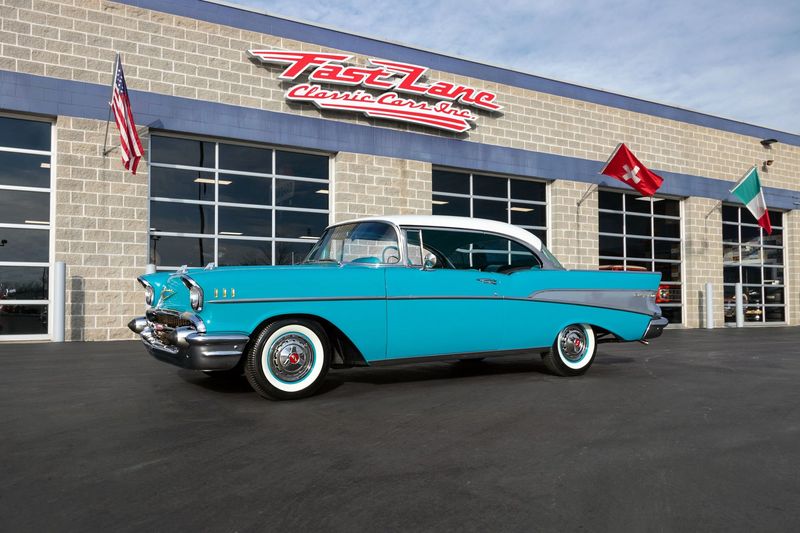
Few sights say Saturday night quite like a shiny Bel Air rolling past a diner. Chevrolet’s 1955 through 1957 models brought bright colors, comfortable cabins, and available V8 power within reach of many families.
The famous 1957 version offered a 283 cubic inch V8 and crisp tailfins. At a car show, compare its trim with earlier models.
Those details reveal how quickly styling changed when looking successful mattered almost as much as getting somewhere comfortably.
2. Ford Thunderbird: A Comfortable Kind of Cool
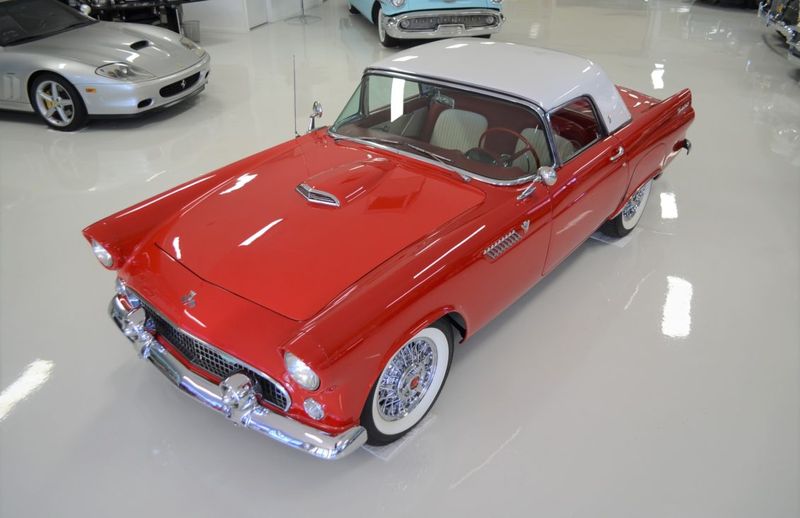
Speed was only part of the promise when Ford introduced its Thunderbird for 1955. Buyers also got a cozy cabin, V8 power, and a removable hardtop that made the little convertible feel surprisingly grown up.
Ford called it a personal car rather than a pure sports machine. That distinction helped it outsell the Corvette immediately.
Look inside one today, and imagine choosing comfort and style for a weekend escape instead of chasing a racing trophy.
3. Chevrolet Corvette: America’s Sports Car Takes Shape
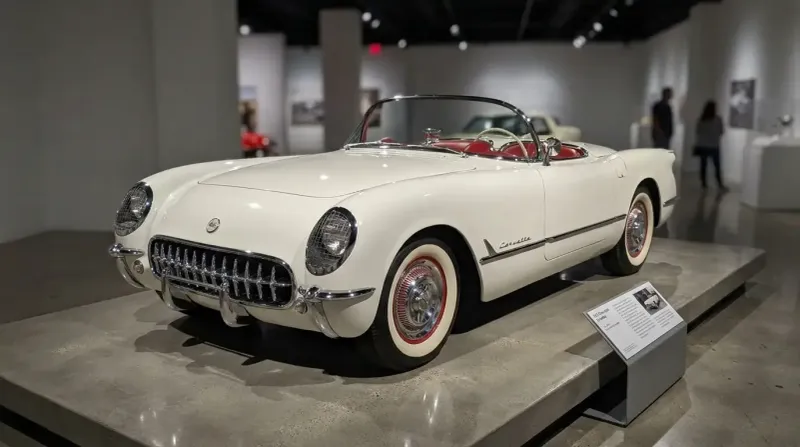
Imagine spotting a low fiberglass roadster among rows of tall family sedans. The Corvette looked like a visitor from another world when Chevrolet introduced it in 1953, with white paint and a red interior.
Early cars used a six cylinder engine and automatic transmission, not the roaring V8 many people expect. V8 power arrived for 1955.
Remember that timeline when viewing restored examples: America’s famous sports car began with more visual excitement than outright speed.
4. Cadillac Eldorado: Tailfins Reach for the Stars
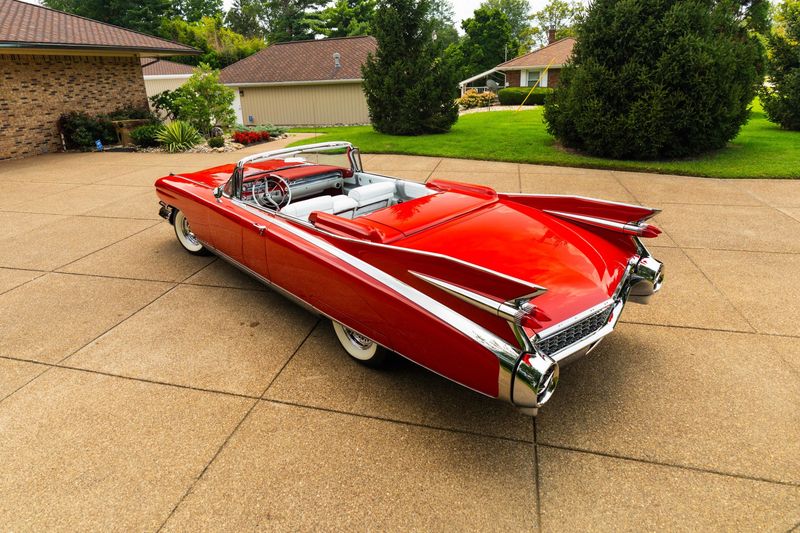
Nothing about those towering fins whispers. By 1959, Cadillac’s Eldorado Biarritz turned the space age mood into rolling sculpture, complete with bullet shaped taillights and enough road presence to stop a conversation.
The Eldorado name had arrived in 1953 on an expensive convertible with lavish equipment. Later versions pushed luxury even further.
Walk around a 1959 example rather than viewing it only head on; its dramatic rear styling explains why this Cadillac became a cultural landmark.
5. Ford F-100: The Dream Built Through Hard Work
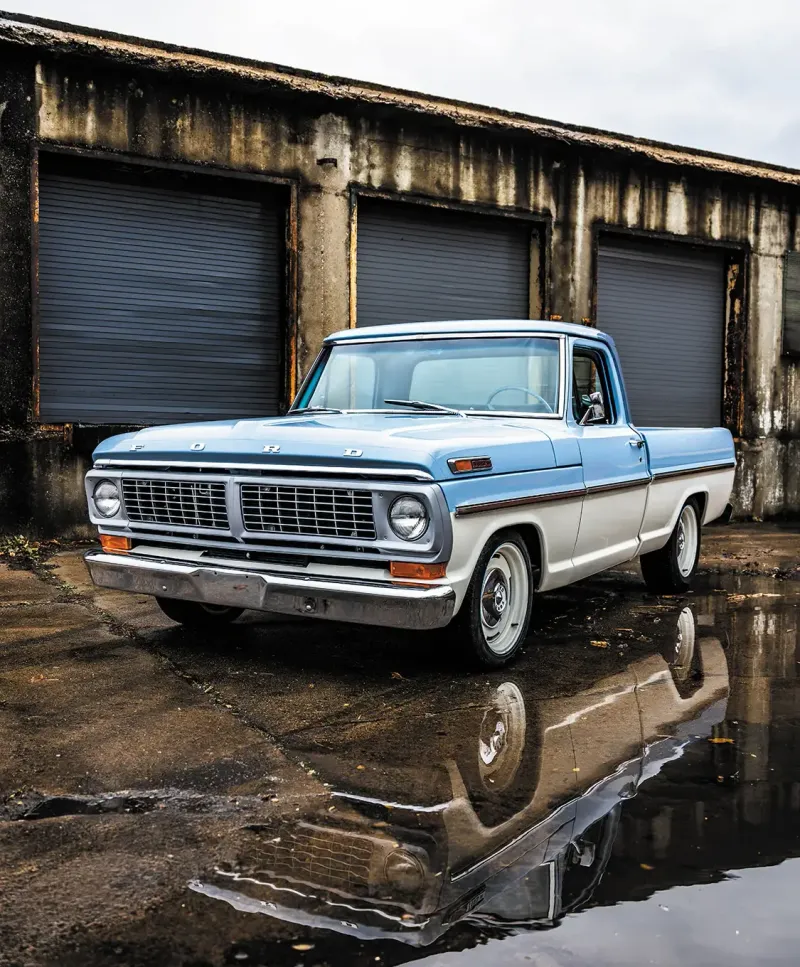
Before the weekend cruise came the workweek, and a dependable pickup could help pay for both. Ford’s 1956 F-100 offered useful hauling space, available V8 strength, and a distinctive windshield that wrapped around the cab.
Its appeal was independence: carrying tools, serving customers, or keeping a small farm moving. Restored trucks look lovely, but inspect the bed and frame carefully when shopping.
Years of honest labor can leave damage that fresh paint does not reveal.
6. Chevrolet Impala: Family Style Steps Up
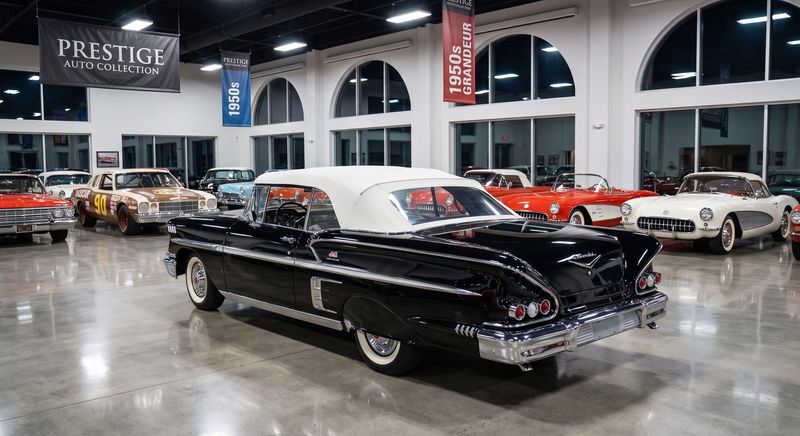
A family Chevrolet could suddenly feel like a special occasion. Introduced for 1958 within the Bel Air series, the Impala added richer trim and a striking shape that made ordinary errands seem more glamorous.
Buyers could choose strong V8 engines, including the new 348 cubic inch option. Its triple taillights became a lasting Chevrolet signature.
Check the model year before identifying one: the rounded 1958 body differs sharply from the sweeping fins that followed in 1959.
7. Continental Mark II: Quiet Luxury at a Grand Price
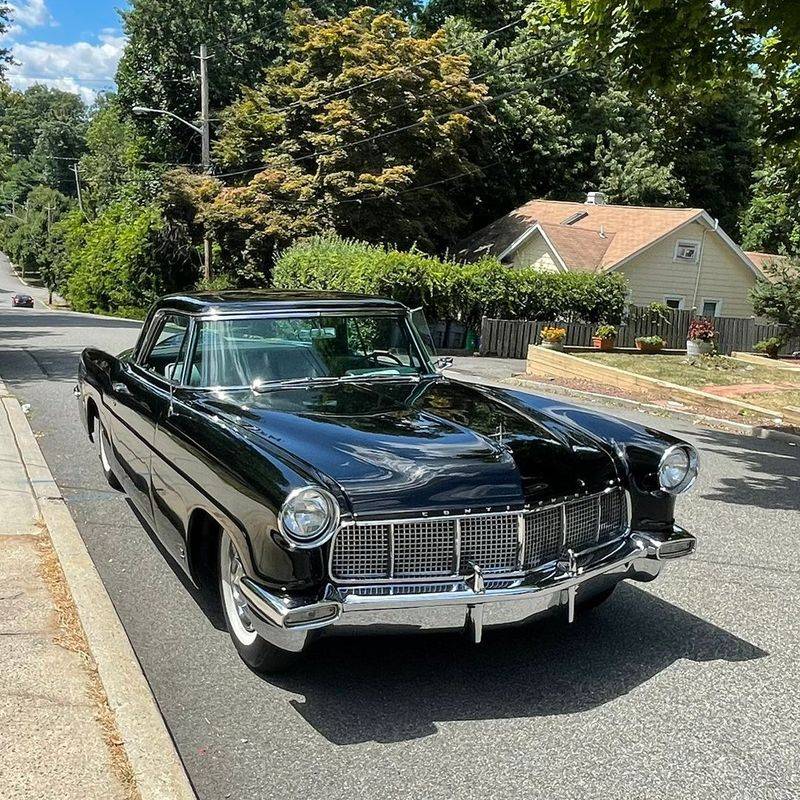
Wealth did not always need bigger fins. The 1956 Continental Mark II favored clean lines, careful assembly, and restrained decoration, offering a quieter answer to the decade’s growing love of flashy automobiles.
Although often linked with Lincoln, it belonged to Ford’s separate Continental division. Its roughly $10,000 price placed it far beyond ordinary family budgets.
Notice the spare tire shape in the trunk lid; that subtle detail helped make this exclusive coupe recognizable without shouting loudly.
8. Chrysler New Yorker: Power in a Dress Suit
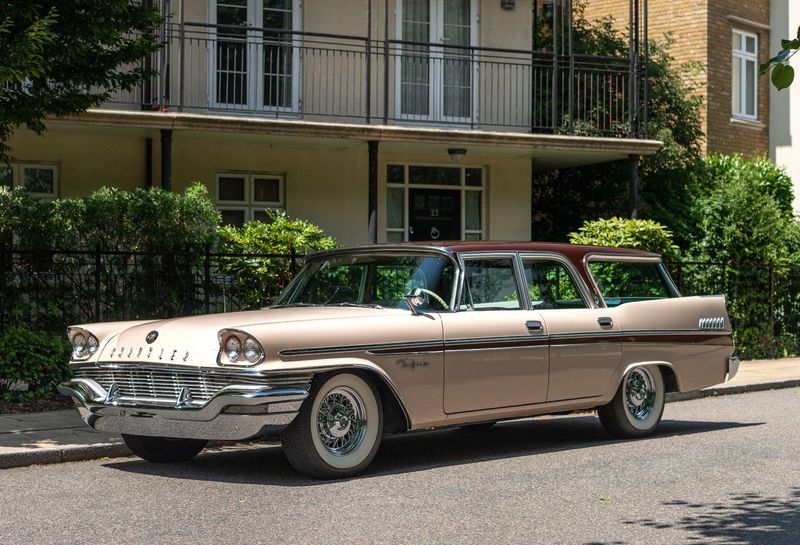
Under the polished manners, there was serious muscle. During the 1950s, Chrysler’s New Yorker paired roomy comfort with available FirePower Hemi V8 engines, giving buyers both an impressive arrival and confident highway performance.
Body styles and details changed across the decade, so choosing a favorite takes some exploring. Compare an early model with a finned 1957 version to see the shift.
For collectors, complete trim matters because missing decorative pieces can be difficult to replace today.
9. Oldsmobile 88: Rocket Power for Regular Drivers
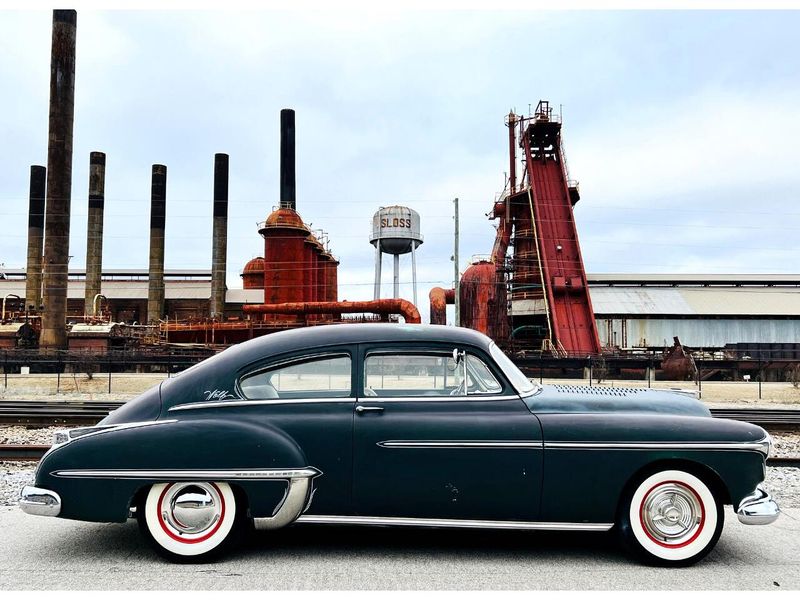
Big power in a smaller package was a tempting recipe long before muscle cars earned their name. Introduced in 1949, the Oldsmobile 88 carried its Rocket V8 reputation straight into the next decade.
Strong early NASCAR results helped turn that engine into a household talking point. The appeal was simple: everyday drivers could buy some genuine excitement.
When reading old advertisements, notice how often Rocket appears; Oldsmobile sold the engine’s identity almost as enthusiastically as the car.
10. Plymouth Cranbrook: Everyday Dependability Counts
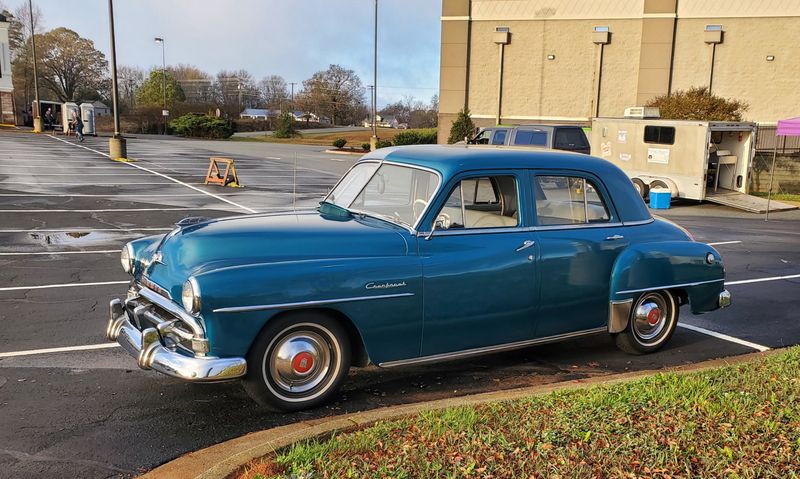
Not every dream arrived covered in extra chrome. For many households, a car that started reliably and carried everyone comfortably mattered more than winning attention at the traffic lights.
Plymouth’s early 1950s Cranbrook served that practical goal with a sturdy six cylinder engine and straightforward design. It represents the quieter side of rising prosperity.
If you enjoy approachable classics, study service records and rust condition first; humble original cars can tell wonderfully rich family stories too.
11. Ford Fairlane: A Taste of Moving Up
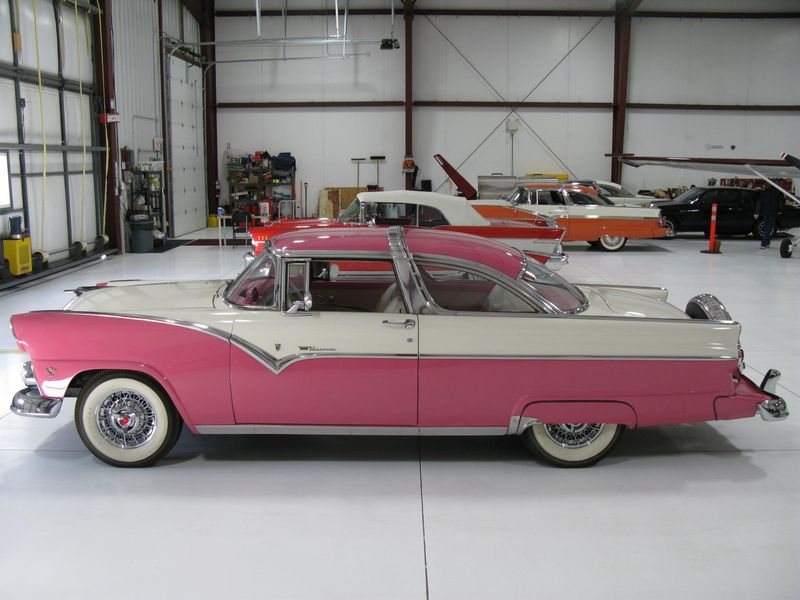
Moving up did not have to mean buying a luxury brand. Ford introduced the Fairlane name for 1955, giving its upper range a fresh identity with bright trim, inviting interiors, and available V8 power.
The name came from Henry Ford’s Fair Lane estate. Among the memorable versions, the Crown Victoria wore a metal band across its roof.
Spotting that feature at a show offers an easy starting point for understanding Ford’s many body styles and models.
12. Buick Skylark: An Anniversary Worth Celebrating
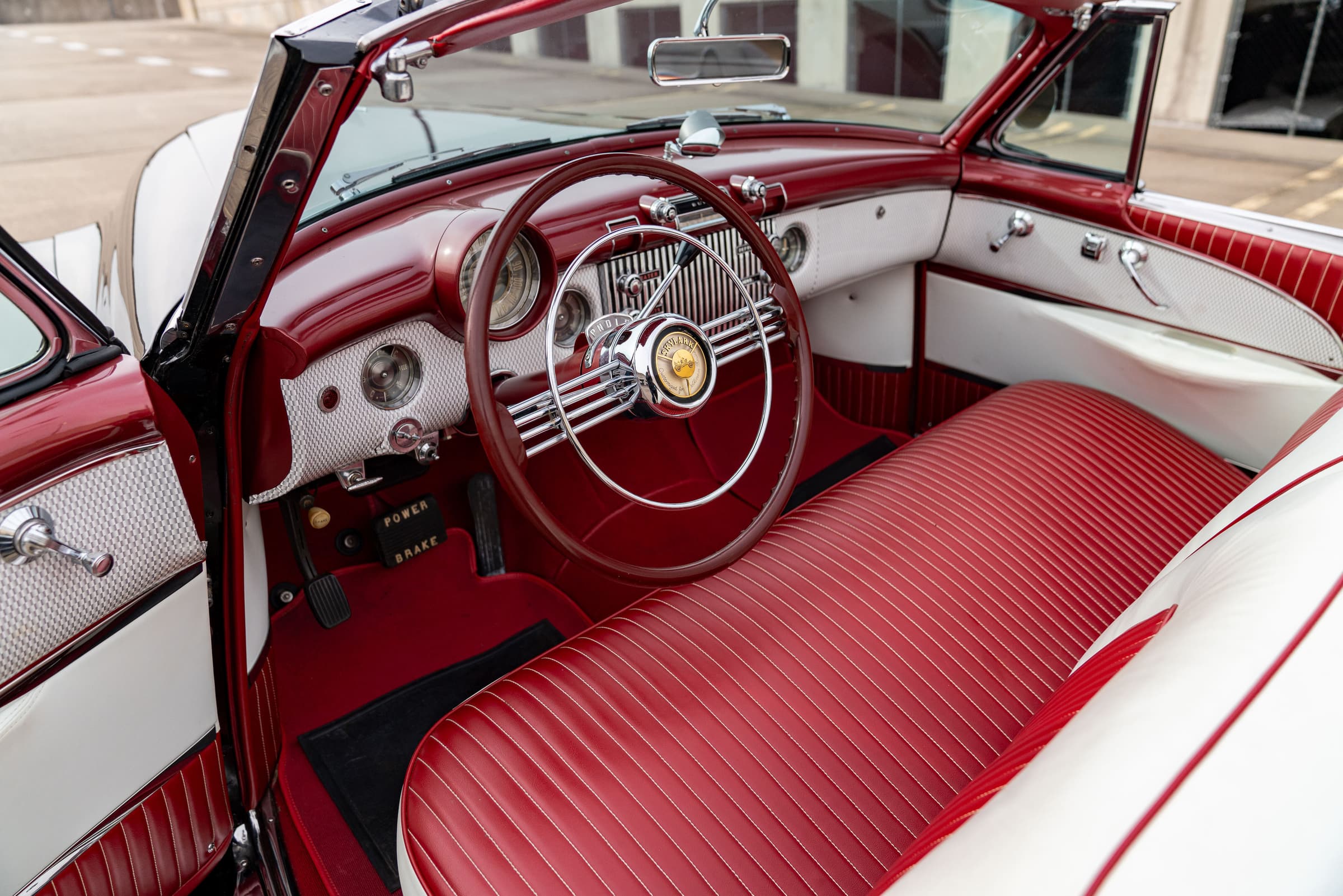
Birthday celebrations rarely look this elegant. Buick marked its fiftieth anniversary in 1953 with the Skylark, a limited production convertible based on Roadmaster running gear and dressed for a very special occasion.
Wire wheels, a lowered windshield, and a finely finished cabin helped justify its high price. Buick’s new V8 added substance beneath the style.
Look closely at the wheel openings and flowing side trim; those touches separate this anniversary showpiece from more familiar everyday Buicks.
13. Dodge Coronet: Bold Fins Meet Forward Look
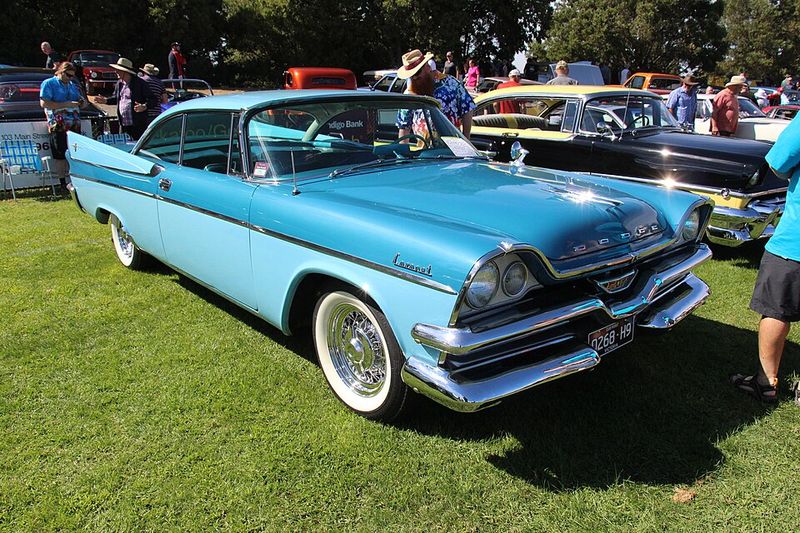
Standing still was not an option in Detroit’s styling race. Dodge’s 1957 Coronet joined Chrysler’s Forward Look movement with a lower profile, dramatic fins, and a shape that seemed eager to leave yesterday behind.
Engine choices ranged beyond basic transportation, with V8 options adding real excitement. Still, calling every Coronet a muscle car oversimplifies its story.
Compare engine specifications before judging performance, and appreciate how adventurous design reached buyers who were not shopping for luxury badges.
14. Studebaker Champion: The Independent Thinker’s Choice
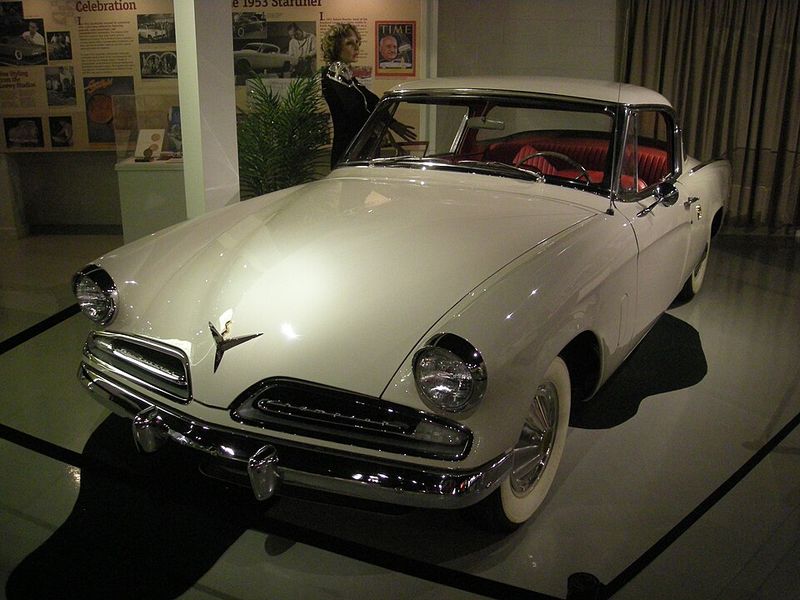
Who says Detroit’s biggest companies had all the good ideas? Studebaker gave shoppers something different, especially with the low, graceful 1953 Champion coupes that still look striking beside taller rivals.
Created under Raymond Loewy’s design leadership, with Robert Bourke playing a central role, these cars favored sleek proportions over heavy decoration. Their six cylinder engines suited sensible driving.
At a museum, view one from the side to appreciate its roofline, long hood, and surprisingly modern stance.
15. Nash Metropolitan: Small Car, Big Personality
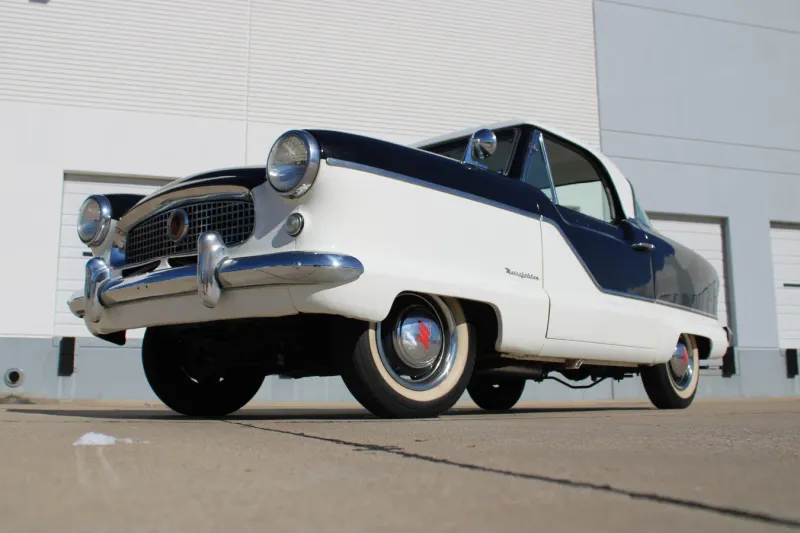
Parking suddenly looked easier when this cheerful little car appeared. Designed for American buyers but built in Britain, the Metropolitan challenged the belief that every new automobile needed to be longer and more powerful.
Sold under Nash and Hudson names, it offered compact dimensions and economical motoring. Its small cabin made it better for light errands than large family trips.
Beside a full size sedan, the difference is delightful: freedom could come in a smaller package.