
A few words about pronouns can set off a huge public debate. Some famous people have drawn criticism for mocking gender identity, while others have faced hurtful reactions after sharing their own pronouns.
Those situations are not the same, and the details matter. Here are the stories behind the headlines, including cases where claims about backlash need more care.
1. Ne-Yo: An Apology Followed by Pushback
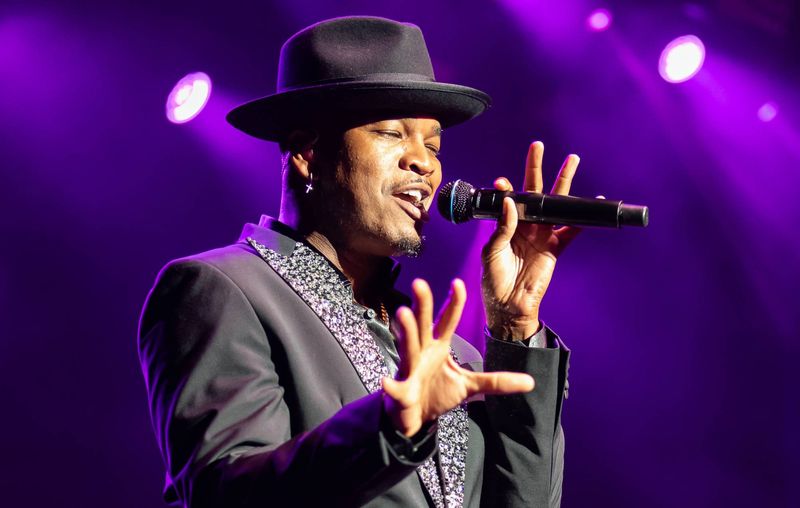
Known for smooth love songs, the singer struck a very different note during a 2023 interview about children and gender identity. His comments questioned parents who support children exploring a different gender, drawing criticism online.
An apology appeared on his account, but he later said he would not apologize for his views. The dispute involved parenting and transition, not just pronouns.
Reading the full exchange helps explain why the responses became so heated so quickly.
2. Alice Cooper: A Brand Partnership Ends
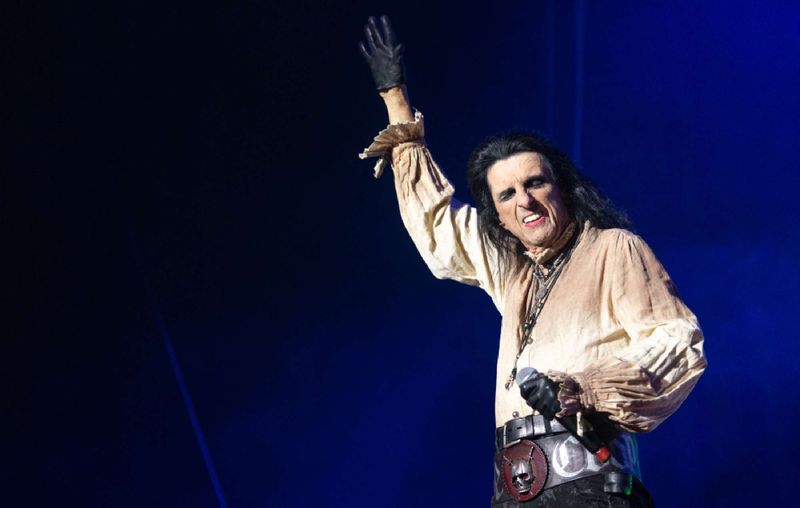
Shock rock built his reputation, but a 2023 interview brought consequences beyond the stage. Cooper described being transgender as a fad and questioned how children were being taught about gender.
Vampyre Cosmetics ended its partnership with him after the remarks. His statements concerned transgender identity more broadly, rather than one isolated pronoun joke.
The episode shows how public comments can clash with a brand’s stated values and quickly turn a promotional deal into a dispute.
3. Gina Carano: The Bio That Drew Criticism

A few words in a social media bio became part of a much larger controversy. In 2020, Carano added beep/bop/boop where other users listed pronouns, prompting accusations that she was mocking transgender people.
She denied that intention and later removed the words. Lucasfilm ended its relationship with her in 2021 after other controversial posts.
Linking her departure only to the pronoun incident leaves out important context about the separate statements that preceded the studio’s decision.
4. J.K. Rowling: Inclusive Language Sparks a Rift
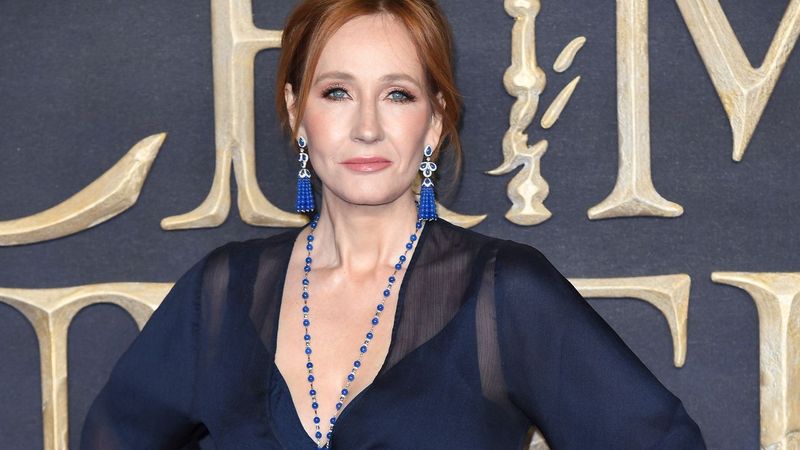
The author behind Harry Potter became central to a debate far beyond her books. In 2020, Rowling criticized the phrase people who menstruate and later explained her views about sex and gender.
Critics called her statements harmful to transgender people, while she defended them as protecting women’s rights. Daniel Radcliffe and other franchise actors publicly supported trans people.
Their responses show a clear disagreement, but claims that she lost all industry ties go beyond the evidence.
5. Graham Linehan: Comedy Overshadowed by Conflict

Once best known for television comedies, the Father Ted creator became widely discussed for his posts about transgender issues. Arguments over gender identity, language, and rights increasingly overshadowed his earlier work.
His activity brought criticism, account suspensions, and disputes within entertainment. However, reducing every career setback to a pronoun comment would oversimplify a long public conflict.
His story is better understood as an ongoing pattern of campaigning and reactions, rather than one remark with one consequence.
6. Macy Gray: A Television Remark Revisited
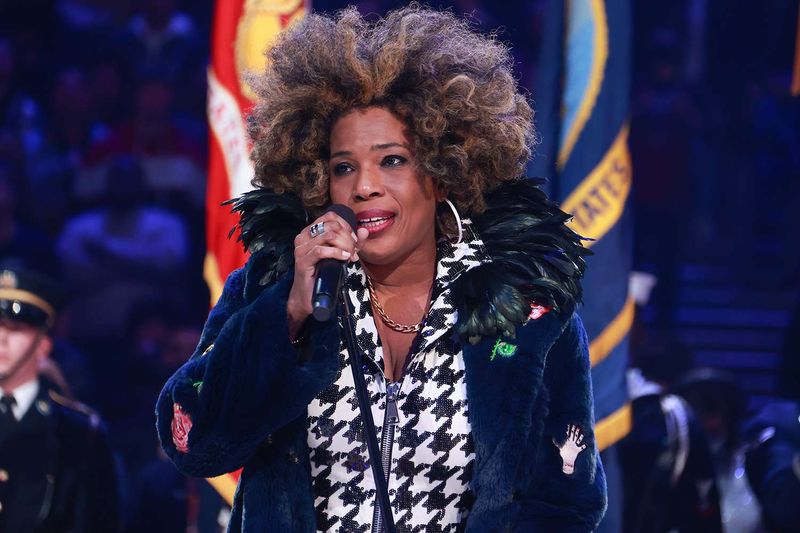
Her distinctive voice usually makes the headlines, but a 2022 television appearance shifted attention to her views. Gray told Piers Morgan that changing body parts or pronouns did not make someone a woman.
The remarks drew criticism for excluding transgender women. She later expressed support for the LGBTQ community and said she had learned from the response.
Watching both the original interview and her follow-up gives a fuller picture than sharing a short, angry clip alone.
7. Ricky Gervais: Jokes Meet Strong Objections
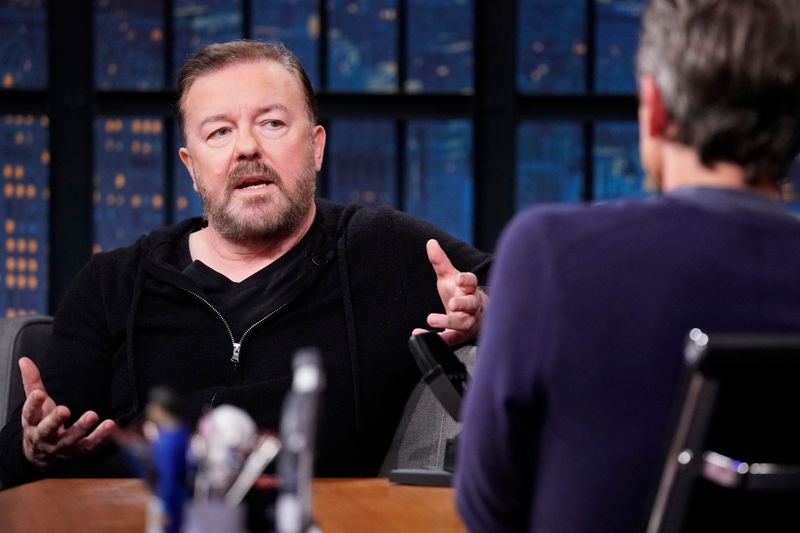
Provoking an audience is part of his comedy, yet some viewers say the target matters as much as the joke. Gervais faced criticism for material about transgender people in his 2022 Netflix special SuperNature.
GLAAD condemned the special, while supporters defended his freedom to joke about sensitive subjects. The controversy included gender and pronoun language, not a personal pronoun announcement.
Separating criticism from censorship helps readers understand what different sides were actually asking Netflix to do.
8. Carlos Santana: Concert Comments Travel Online
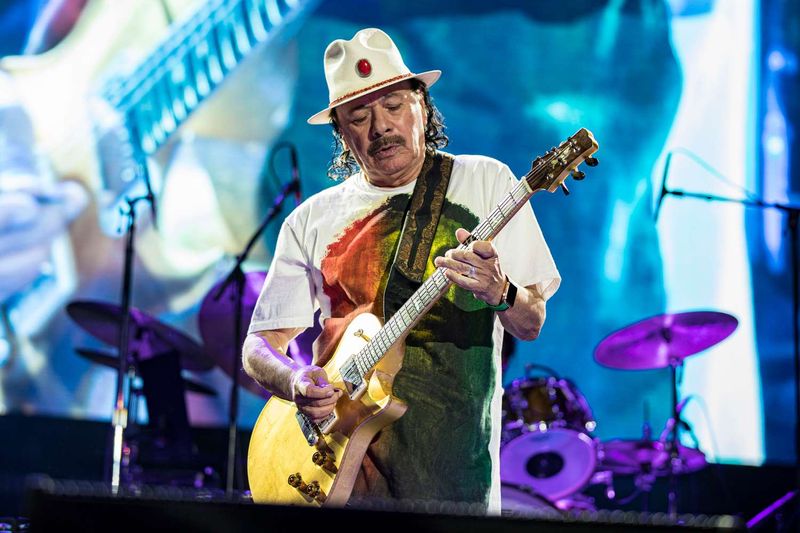
A concert speech reached far beyond the fans standing near the stage. In a video that spread in 2023, Santana made remarks about men, women, and keeping personal matters private.
Critics said his words dismissed transgender identities. He later apologized for being insensitive and expressed respect for people’s personal choices.
Although often grouped with pronoun controversies, the clip concerned gender more broadly. That distinction helps explain the actual disagreement without adding statements he did not make.
9. Drake Bell: A Name Becomes the Issue
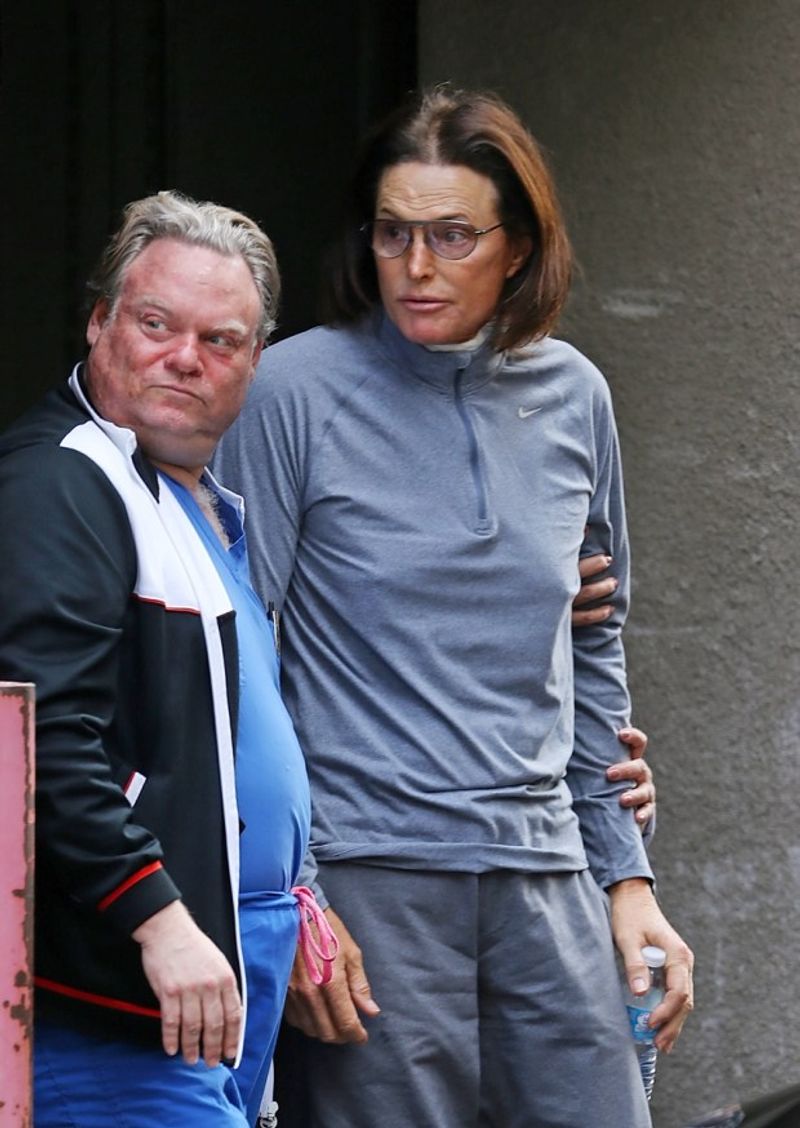
When Caitlyn Jenner publicly introduced herself in 2015, one former children’s television star responded with a dismissive tweet. Bell said he would continue calling her Bruce, drawing immediate criticism.
He later apologized for his thoughtless and insensitive remarks. Although the tweet focused on her name, it also rejected how she asked to be recognized.
The practical lesson is simple: using someone’s stated name and pronouns shows basic courtesy, even when their experience is unfamiliar to you.
10. Kevin Sorbo: Recurring Posts, Broader Disputes
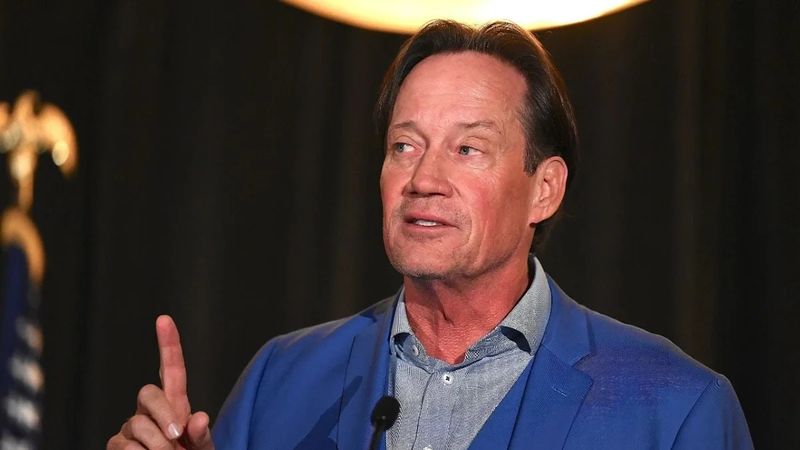
The actor famous for Hercules now attracts attention for political posts as well as screen roles. His social media commentary about gender, Pride, and LGBTQ issues has drawn criticism from opponents.
Still, the supplied background does not establish one specific pronoun remark with a clearly documented professional penalty. Claims about lost work should therefore be treated carefully.
A recurring online argument is not proof that a particular joke caused a casting decision or ended a contract.
11. Jeffree Star: Dismissing They/Them
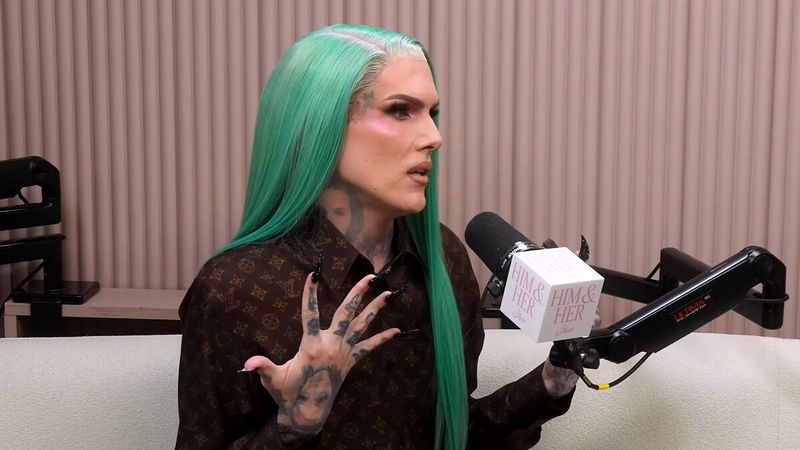
Beauty fans were used to bold opinions, but a 2023 podcast appearance brought a different kind of attention. Star dismissed they/them pronouns using insulting language, prompting criticism from nonbinary people and their supporters.
He defended his position afterward rather than offering a clear retraction. The dispute shows why personal experience does not speak for everyone: one person’s comfort with gender expression does not determine which words another person needs to feel recognized, respected, or understood socially.
12. Elon Musk: Two Words, Many Reactions

A brief post can carry enormous reach when its author has millions of followers. Musk drew criticism in 2020 after posting that pronouns suck, and later comments kept the topic in public discussion.
Critics viewed the language as dismissive of transgender and nonbinary people. He has framed his objections around pronoun practices rather than opposition to everyone using them.
Reading his actual wording alongside the responses is more useful than assuming every headline describes the same exchange.
13. Demi Lovato: Explaining Changing Pronouns
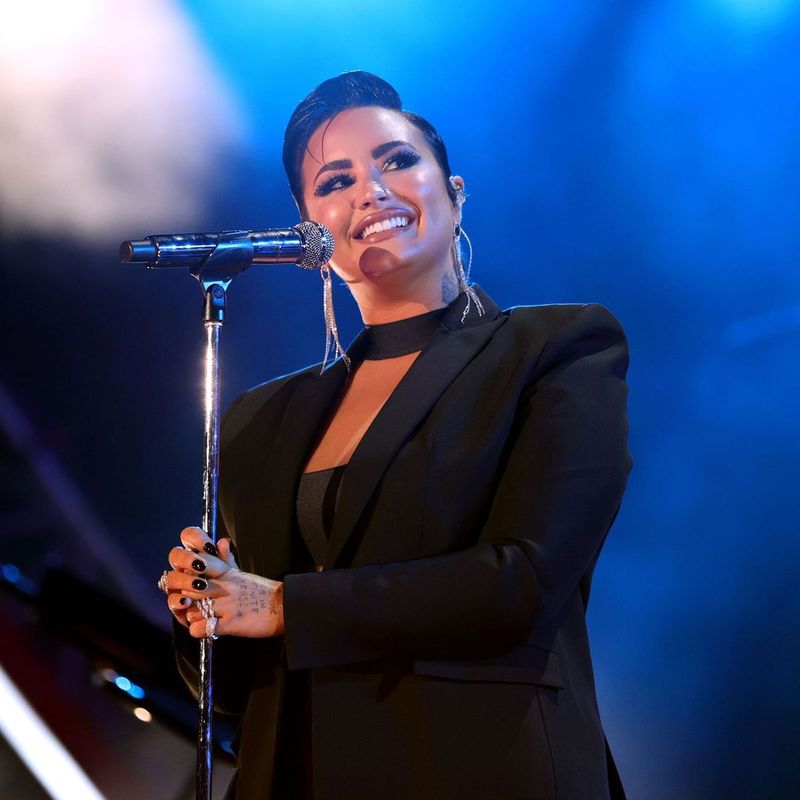
Sharing something personal should not require a permanent public debate. Lovato announced they/them pronouns in 2021 and later also used she/her, explaining that their experience of gender could feel more fluid.
They also described the strain of repeatedly explaining pronouns. Some reactions mocked those changes, but updating personal language is different from attacking someone else’s identity.
Their experience offers a useful reminder: follow a person’s current guidance instead of treating an earlier announcement as a binding contract.
14. Amandla Stenberg: Space to Explore Identity

Growing up in the spotlight leaves little room for private self-discovery. Stenberg discussed they/them pronouns with followers and later explained that those words were not personally necessary for feeling comfortable.
Online responses included criticism, but that history should not be framed as proof that exploring identity is dishonest. Their comments reflect a person working out what fits.
For readers, the kindest approach is to respect someone’s stated preferences without demanding that every stage of discovery remain unchanged.
15. Emma Corrin: Speaking About the Hostility

Playing Princess Diana brought fame, but sharing their own identity brought an unwelcome kind of attention. Corrin publicly adopted they/them pronouns and later described receiving more hostility than they had expected.
Unlike celebrities criticized for dismissive jokes, they faced abuse connected to being openly nonbinary. Keeping that difference clear prevents a misleading comparison.
Their account also reminds fans that public visibility does not make someone immune to hurt, even when they appear confident on screen or online.
16. Sam Smith: A Public Request for Respect
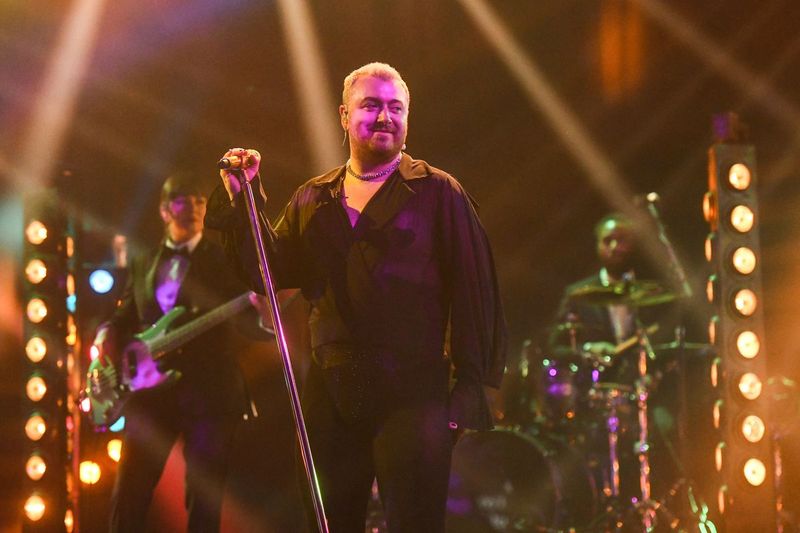
In 2019, the Grammy winner asked fans to use they/them pronouns after coming out as nonbinary. Smith described the announcement as embracing themself after years of struggling with gender.
The news brought support alongside hostile reactions and repeated misgendering. That is different from criticism of an insulting comment.
Their announcement was a request about personal identity, not an attack on others. If you make an honest pronoun mistake, correct it briefly and keep the conversation moving forward.
17. Elliot Page: Coming Out Under a Spotlight

A deeply personal announcement became worldwide news when Page came out as transgender in December 2020. He shared his name and he/they pronouns, receiving widespread support as well as anti-trans reactions.
His inclusion needs a clear distinction: coming out is not misconduct or a harmful pronoun remark. The supplied background does not identify a separate offensive comment behind the response.
His experience instead illustrates the scrutiny transgender public figures can face simply for telling people who they are.
18. Halsey: A Small Bio Update, Personal Meaning
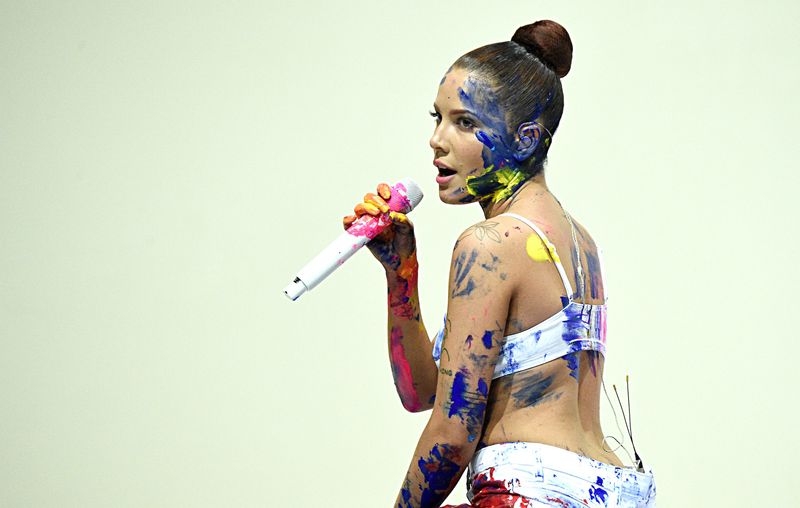
Sometimes a profile update says more than a long announcement. In 2021, Halsey added she/they pronouns online and explained that both felt authentic, while thanking people for their support.
The supplied account does not establish a distinct, well-documented backlash over those comments, so presenting one as certain would be misleading. Their story belongs more clearly to public discussion of identity.
It also shows why pronoun lists should be read as personal guidance, not an invitation to argue.