
America a century ago looked nothing like it does today. From crowded city streetcars to secret underground bars, everyday life in the 1920s was full of surprises, struggles, and big changes.
These rare vintage photographs pull back the curtain on a world that most people never get to see. Get ready to step back in time and discover the real stories behind nine unforgettable snapshots of American history.
1. New York City Streetcars in 1920
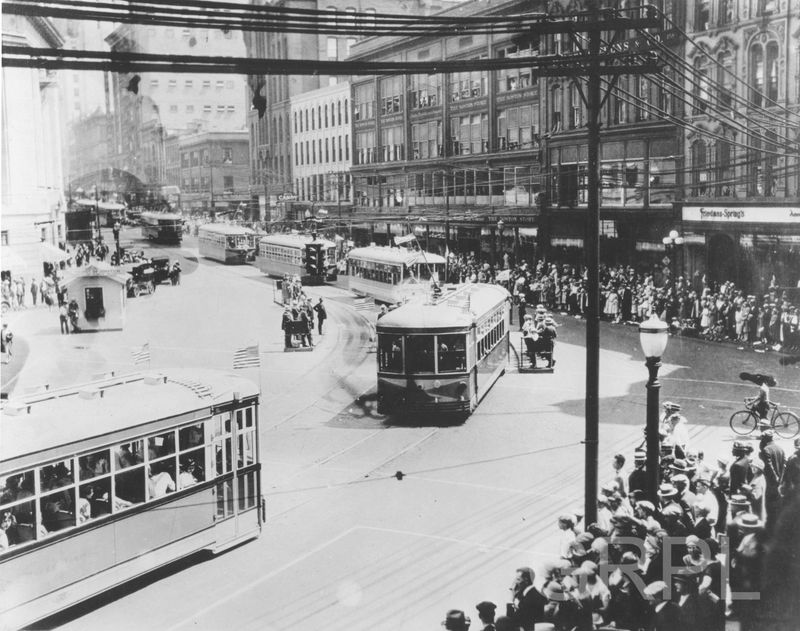
Picture rush hour in Manhattan, but instead of subway apps and rideshares, you are clinging to the side of a moving streetcar. Electric streetcars ruled New York City in 1920, carrying thousands of workers across town for just a few cents.
Seats filled up fast, so riders grabbed onto the outside rails and held on tight. Horse-drawn carriages and early automobiles shared the same crowded streets, making every commute an adventure nobody signed up for.
2. Coal Miners in West Virginia
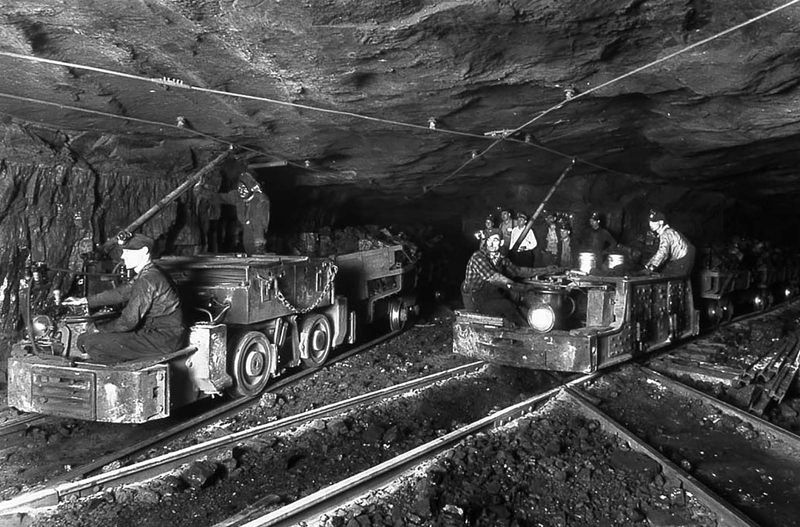
Deep underground, with only a headlamp cutting through the dark, coal miners in West Virginia worked shifts that stretched on for hours without a break. The coal they dug powered factories, heated homes, and kept the whole country running.
Shockingly, boys as young as twelve sorted coal above ground, their small hands picking through rocks all day long. Families had little choice but to send their kids to work, because every paycheck kept food on the table.
3. Chicago’s Bustling Open-Air Markets
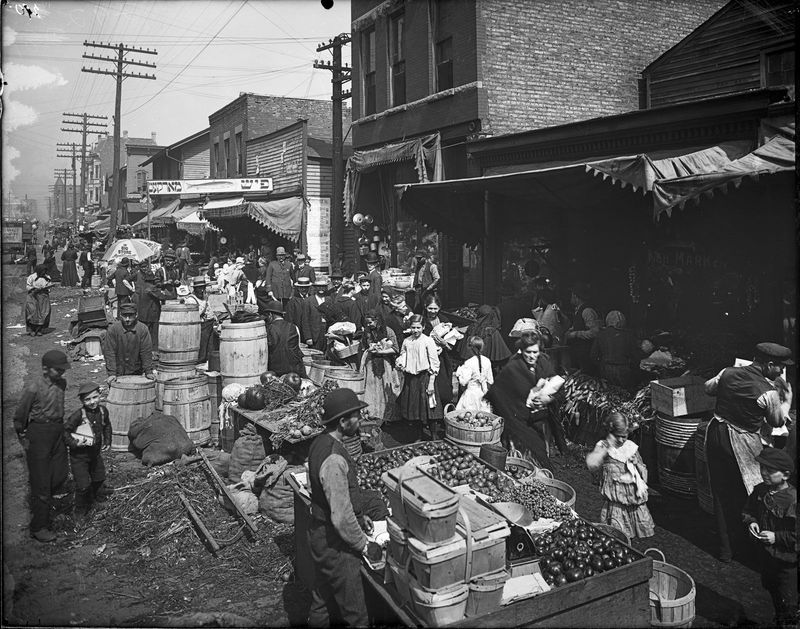
Long before grocery store chains took over every corner, Chicago’s open-air markets were the heartbeat of neighborhood life. Vendors lined entire city blocks, selling everything from fresh bread to live chickens, and the noise and smells were impossible to ignore.
Without refrigerators at home, women shopped every single day, wicker basket in hand, picking out the freshest ingredients available. Shopping was not a weekend errand back then.
It was a daily ritual that built real community bonds between neighbors.
4. Women Factory Workers During World War I
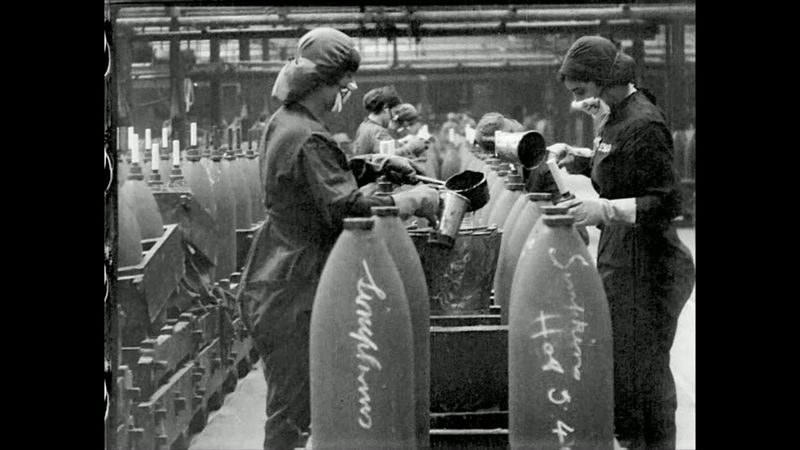
When the men shipped off to war, someone had to keep the factories running, and American women stepped up without hesitation. They assembled ammunition, built military equipment, and operated heavy machinery, proving they could handle jobs that most people thought only men could do.
This was a turning point that quietly changed everything. Women gained confidence, paychecks, and a new sense of independence that would eventually fuel the fight for greater rights and equality in the decades ahead.
5. San Francisco Cable Cars
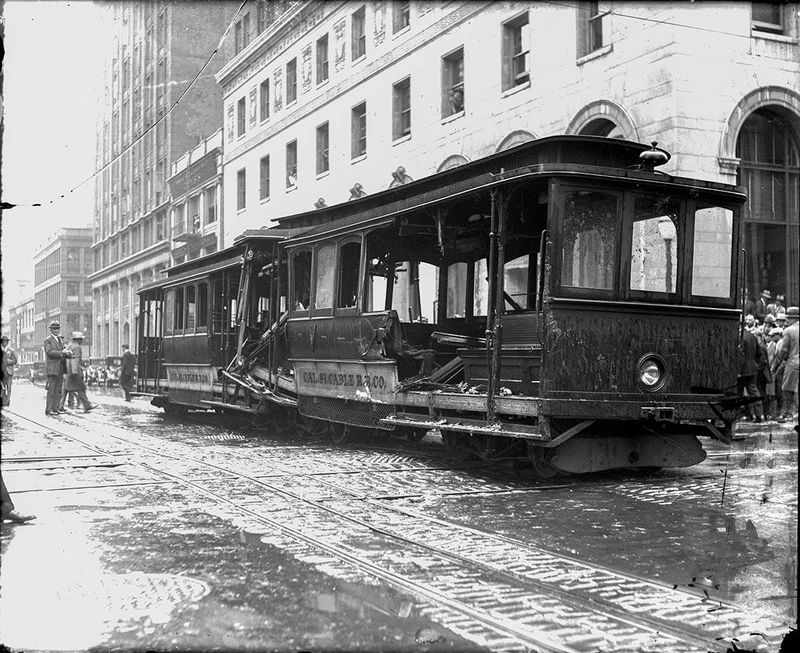
San Francisco had a geography problem: steep hills that made walking exhausting and early automobiles nearly useless. The solution was brilliantly simple.
Steel cables buried under the streets pulled wooden cars up and down the slopes all day long.
Riders held onto brass poles as the cars tilted at wild angles, offering jaw-dropping views of the bay below. A century later, those same cable cars are still running, making them one of the oldest moving landmarks in the entire country.
6. Early Automobiles on Main Street
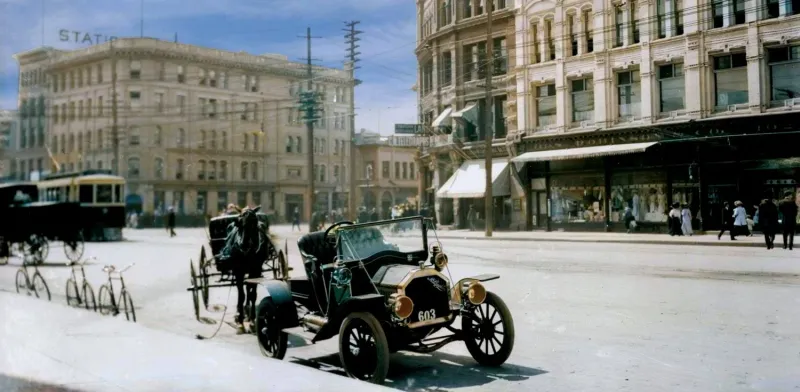
Imagine sharing the road with both a horse and a brand-new Ford Model T at the same time. That was everyday life on American Main Streets in the early 1920s, when the car revolution was just getting started.
Early drivers wore goggles and heavy coats because most cars had no roof, no windshield, and absolutely no heater. One wrong turn in bad weather meant arriving soaked and frozen.
Still, people were absolutely wild about their new machines and proud to show them off.
7. Small-Town Baseball Teams
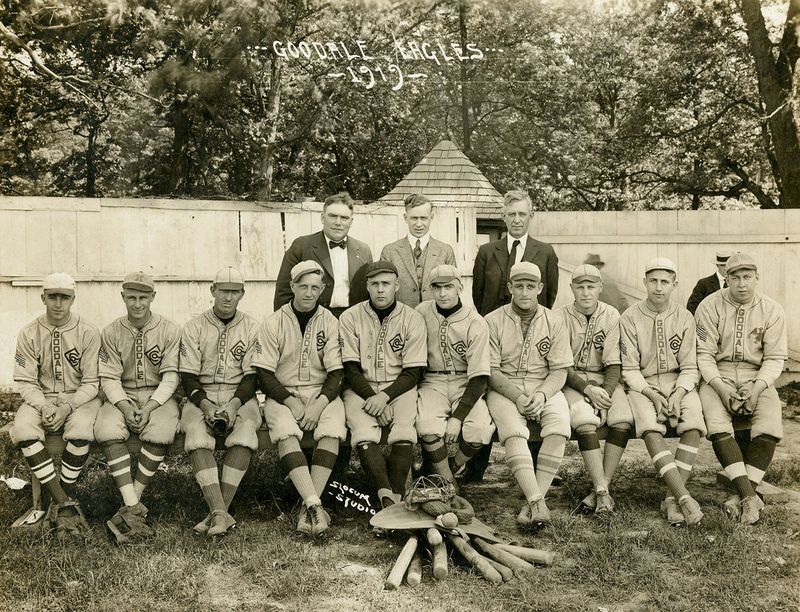
Before television, video games, or social media, baseball was the event that brought an entire town out on a Saturday afternoon. Local teams were made up of farmers, store clerks, and schoolteachers who played purely for the love of the game.
Games doubled as community reunions, with families spreading picnic blankets along the outfield grass. Players rarely got paid a single cent, yet the roar of hometown fans cheering a good hit meant more than any trophy ever could.
8. The First Movie Theaters
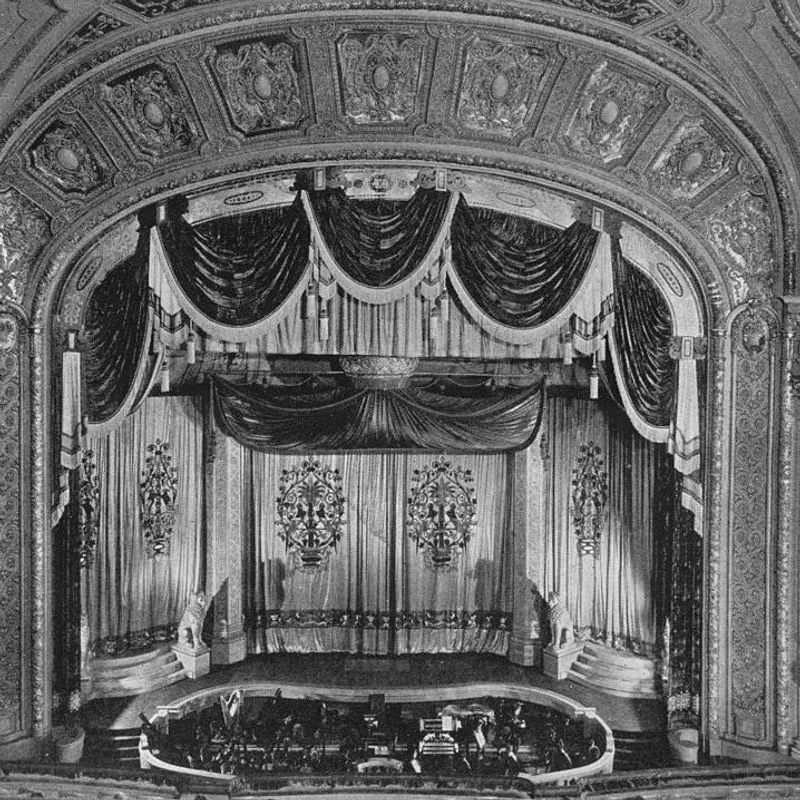
Walking into one of America’s first movie palaces felt like stepping inside a king’s palace. Theaters built in the 1920s featured painted ceilings, velvet curtains, and sparkling chandeliers, all designed to make working-class folks feel like royalty for a couple of hours.
Silent films played on screen while a live organist filled the room with dramatic music, matching every chase scene and love story beat for beat. Tickets were cheap enough for almost anyone, making movies the great equalizer of early American entertainment.
9. Prohibition-Era Speakeasies
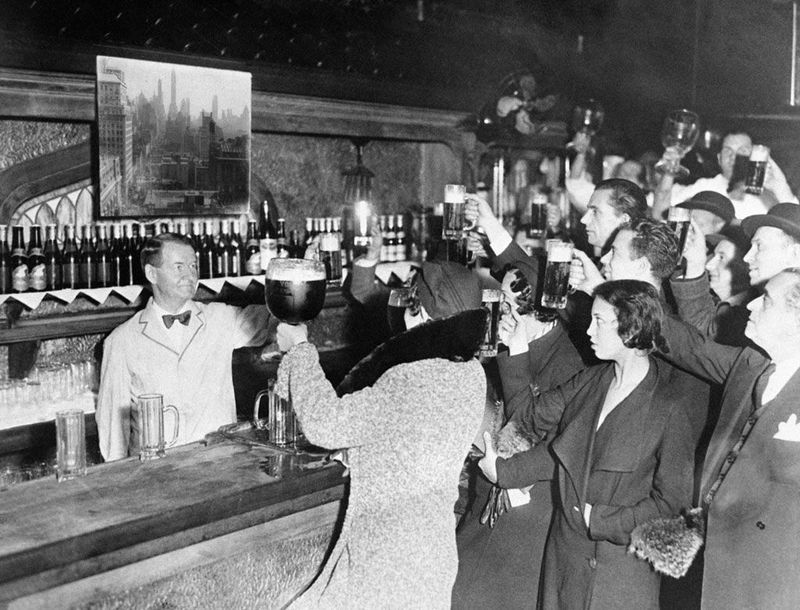
Behind an unmarked door, down a narrow alley, or through the back of a barbershop, a whole other world was waiting. Speakeasies popped up by the thousands after Prohibition banned alcohol in 1920, and Americans were absolutely not ready to give up their drinks.
Jazz bands played loud, dancers packed the floor, and bartenders mixed cocktails just feet away from potential police raids. Getting caught meant serious trouble, but for many, the thrill of breaking the rules made every sip taste even better.