
Marriage takes real work, and even the happiest couples can quietly slip into habits that slowly chip away at their relationship. Some of these habits seem harmless at first, but over time they can create distance, resentment, and even lead to divorce.
Knowing what to watch out for is the first step toward protecting your marriage. Here are 41 bad habits that married couples fall into and why breaking them matters.
1. Stopping Open Communication

When couples stop talking honestly, small problems quietly grow into big ones. You might think staying silent keeps the peace, but silence often sends the wrong message entirely.
Unspoken frustrations pile up like unpaid bills.
Make time each week to check in with your partner about feelings, plans, and concerns. Even a short, honest conversation can prevent weeks of tension.
Strong marriages are built on words, not assumptions.
2. Taking Your Spouse for Granted

Remember when you used to notice every little thing your partner did? Over time, those moments of appreciation can quietly disappear.
That shift can leave your spouse feeling invisible and unvalued.
Saying “thank you” for everyday efforts costs nothing but means everything. Acknowledging your partner’s contributions keeps the emotional connection alive.
Gratitude is one of the simplest and most powerful tools in a marriage toolbox.
3. Avoiding Difficult Conversations
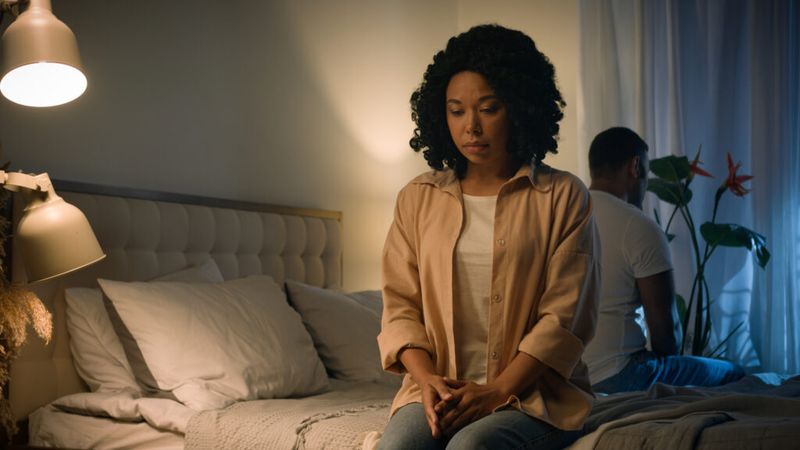
Sweeping problems under the rug might feel easier in the moment, but unresolved issues never just disappear. They resurface later, usually bigger and messier than before.
Healthy couples learn to face uncomfortable topics head-on with respect and patience. Avoiding conflict might seem like keeping the peace, but it actually delays necessary healing.
Addressing problems early prevents them from becoming relationship-ending disasters down the road.
4. Mismanaging Finances Together

Money fights are one of the top reasons marriages fall apart, and financial secrets make things even worse. Hiding purchases, running up debt, or refusing to budget together can destroy trust fast.
Couples who talk openly about money, set shared goals, and create budgets tend to argue far less. Financial teamwork builds trust and reduces stress.
Treat your bank account like a partnership, because it truly is one.
5. Letting Intimacy Fade Away

Physical and emotional closeness keeps a marriage feeling alive and connected. When couples stop holding hands, cuddling, or simply spending tender moments together, a cold distance starts to grow.
Intimacy does not have to mean grand gestures. A warm hug, a lingering kiss, or a heartfelt compliment can reignite that spark.
Prioritize closeness daily, even in small ways, to remind your partner that they are still cherished and desired.
6. Constant Criticism of Your Partner

There is a big difference between helpful feedback and tearing someone down. Constantly pointing out flaws, mocking choices, or belittling your spouse chips away at their confidence and your bond.
Healthy couples offer constructive thoughts with kindness, not contempt. Try replacing criticism with curiosity: ask why instead of attacking what.
A marriage where both people feel respected is one where both people want to stay and grow together.
7. Holding Grudges Without Forgiveness

Hanging onto old wounds like trophies will poison a marriage over time. Every couple makes mistakes, but refusing to forgive keeps both partners trapped in the past.
Forgiveness does not mean pretending nothing happened. It means choosing to move forward together instead of staying stuck.
Couples who practice letting go tend to build deeper trust and a stronger emotional foundation. Holding grudges only keeps the hurt alive longer than it needs to be.
8. Excessive Screen Time Over Connection

Scrolling through social media while your spouse is right beside you sends a loud message without saying a word. Technology has a sneaky way of stealing quality time from couples who are not paying attention.
Setting phone-free zones or hours can transform your evenings together. Real conversations, eye contact, and shared laughter cannot happen through a screen.
Put the devices down and invest that time in the person sitting right next to you.
9. Neglecting Quality Time Together

Busy schedules are real, but using them as a permanent excuse to skip quality time together is a slow relationship killer. Couples who never truly connect start feeling more like roommates than partners.
Schedule date nights, weekend activities, or even simple walks together. You do not need to spend money to spend meaningful time.
Showing up for each other consistently builds the kind of closeness that keeps a marriage strong through any season.
10. Keeping Secrets From Each Other

Secrets, even small ones, create invisible walls between partners. Whether it is a hidden credit card, a private friendship, or undisclosed struggles, secrecy erodes the trust that marriages depend on.
Transparency does not mean sharing every single thought, but it does mean being honest about the things that matter. Trust is fragile and takes years to build but only moments to break.
Choosing openness, even when it feels uncomfortable, protects the foundation of your relationship.
11. Comparing Your Spouse to Others

“Why can’t you be more like so-and-so?” might be one of the most hurtful things a spouse can say. Comparisons make your partner feel like they will never measure up no matter how hard they try.
Every person and every marriage is different. Instead of measuring your spouse against someone else, focus on appreciating their unique qualities.
Celebrate who they are rather than wishing they were someone else entirely.
12. Refusing to Apologize When Wrong

Pride is one of the quietest marriage wreckers out there. When one or both partners refuse to say sorry, small conflicts harden into lasting resentment.
A genuine apology is not a sign of weakness. It shows emotional maturity and real care for the relationship.
Couples who can admit their mistakes and apologize sincerely tend to recover from disagreements much faster. Saying “I was wrong” can be two of the most healing words in a marriage.
13. Spending Too Much Time Apart

Having personal space is healthy, but when couples spend most of their time in completely separate worlds, the connection between them starts to thin out. You can live in the same house and still feel totally alone.
Balance matters. Maintaining individual interests is great, but finding shared experiences keeps the partnership alive.
Plan activities you both enjoy and make your relationship a priority, not an afterthought squeezed in between everything else.
14. Dismissing Your Partner’s Feelings

“You are being too sensitive” is a phrase that can cause serious damage in a marriage. When one partner consistently dismisses the other’s feelings, it creates a deep emotional wound that is hard to heal.
Validation does not mean agreeing with everything your spouse feels. It means acknowledging that their emotions are real and matter to you.
Feeling heard is a basic human need. When couples offer that to each other, the relationship becomes a genuinely safe place.
15. Making Major Decisions Alone

Marriage is a team sport, and making big decisions without your partner’s input is like playing the game solo. Whether it is a job change, a large purchase, or a family decision, going it alone breeds resentment.
Checking in with your spouse before big moves shows respect and reinforces your partnership. Even if you already have a preference, involving them in the conversation matters.
Two minds working together almost always lead to better outcomes than one working alone.
16. Using the Silent Treatment

Shutting down and going completely silent after a disagreement might feel powerful in the moment, but it is actually a form of emotional punishment that damages trust over time.
The silent treatment leaves your partner feeling confused, rejected, and helpless. Healthy couples take short breaks to cool down but return to the conversation with a willingness to resolve things.
Communication, even imperfect communication, is always better than a wall of silence.
17. Letting Stress Spill Into the Marriage

Work deadlines, financial pressure, and daily stress are real, but taking those frustrations out on your spouse creates a toxic cycle that is hard to break. Your partner should not be the emotional punching bag for everything that goes wrong outside the home.
Finding healthy outlets for stress, like exercise, journaling, or talking to a friend, protects your marriage. When you come home calmer, your relationship benefits immediately.
Separating outside stress from your marriage takes practice but is absolutely worth the effort.
18. Prioritizing Kids Over the Marriage

Loving your children is natural, but when kids become the only focus and the marriage gets zero attention, the couple slowly drifts apart. Children actually thrive more when their parents have a strong, loving relationship.
Keeping your marriage a priority does not make you a bad parent. Scheduling couple time, even after bedtime, helps maintain the bond.
A healthy marriage is one of the greatest gifts you can give your children, so protect it intentionally.
19. Bringing Up Past Mistakes Repeatedly

Digging up old arguments every time a new one starts is like adding fuel to a fire you were supposed to have already put out. It signals that forgiveness was never real in the first place.
When an issue is resolved, it deserves to stay resolved. Using past mistakes as weapons during current disagreements is deeply unfair and prevents real healing.
Couples who fight about the present, not the past, have a much better shot at actually solving their problems.
20. Neglecting Personal Growth and Self-Care

When you stop growing as a person, you bring less of yourself to your marriage. Neglecting hobbies, health, or personal goals can lead to frustration and a quiet sense of emptiness that affects the whole relationship.
Taking care of yourself actually makes you a better partner. Pursuing your passions, staying healthy, and continuing to learn keeps you energized and engaged.
A fulfilled individual brings more joy, patience, and creativity to their marriage every single day.
21. Allowing Outside Opinions to Dictate the Marriage

Family and friends mean well, but allowing their opinions to override decisions in your marriage creates chaos. When outside voices carry more weight than your partner’s, it signals a serious loyalty problem.
Your marriage is yours alone. Healthy boundaries with family and friends protect the sacred space of your relationship.
Listen to trusted advice when needed, but ultimately, the two of you must be the final decision-makers in your own home and life.
22. Weaponizing Vulnerability

There is nothing more hurtful than having something you shared in a moment of vulnerability thrown back at you during a fight. When private confessions become ammunition, trust shatters fast.
What your partner tells you in confidence is sacred. Using their fears, insecurities, or past experiences to win arguments is a form of emotional cruelty.
Couples who protect each other’s vulnerabilities build a level of trust that makes the marriage nearly unbreakable under pressure.
23. Failing to Support Each Other’s Dreams

Your spouse’s dreams deserve a cheerleader, not a critic. When one partner consistently dismisses or undermines the other’s goals, it creates a quiet resentment that can simmer for years.
Supporting your partner’s ambitions, even when they are different from your own, is an act of love. Ask about their goals, celebrate their wins, and encourage them when things get tough.
A marriage where both people feel supported is one where both people want to stay.
24. Keeping Score in the Relationship

“I did the dishes last time, so now it is your turn” sounds harmless, but when scorekeeping becomes a habit, it turns marriage into a competition nobody wins. Constantly tallying who does more breeds bitterness fast.
Healthy partnerships operate from a place of generosity, not accounting. Do things because you love your spouse, not because you expect equal repayment.
When both partners give freely without keeping score, the relationship feels like a true partnership rather than a transaction.
25. Neglecting Shared Goals and Vision

Couples who stop dreaming together eventually stop growing together. Without shared goals, whether it is saving for a home, planning travel, or building a family, partners can feel like strangers sharing a space.
Sitting down regularly to discuss where you both want to go as a couple is powerful. Shared dreams create a sense of purpose and unity.
When you are both working toward the same future, your daily choices feel more meaningful and your bond grows deeper.
26. Disrespecting Boundaries

Boundaries are not walls built to keep your partner out. They are healthy markers that help both people feel safe and respected.
Ignoring your spouse’s boundaries, whether emotional, physical, or social, is a form of disrespect.
Ask your partner what they need and honor those needs even when you do not fully understand them. Respecting boundaries actually deepens intimacy because it builds trust.
A partner who feels safe with you is a partner who stays close to you.
27. Emotional Unavailability

Being in the same room but emotionally checked out is one of the loneliest experiences a person can have in a marriage. Emotional unavailability leaves a partner feeling unseen and unheard, even when no one is shouting.
Showing up emotionally means being willing to engage with your partner’s feelings, even when yours feel complicated. Practice active listening, ask deeper questions, and resist the urge to shut down.
Emotional presence is one of the greatest gifts you can offer your spouse.
28. Laughing at Your Partner’s Expense

Humor is wonderful in a marriage, but jokes that mock or embarrass your partner, especially in front of others, are anything but funny to the person on the receiving end. It signals contempt, which relationship experts consistently identify as a major predictor of divorce.
Tease with warmth, not with cruelty. Make sure your humor brings you closer together rather than highlighting your partner’s weaknesses.
Laughing with someone feels entirely different from laughing at them, and your spouse knows the difference.
29. Refusing Couples Counseling

Seeking help for your marriage is not an admission of failure. Refusing to go to counseling when things are clearly struggling, however, can be.
Many couples wait until the damage is nearly irreparable before reaching out for professional support.
A good therapist provides tools and perspective that couples simply cannot access on their own. Treating counseling as a proactive investment rather than a last resort can save a marriage years of unnecessary pain.
Asking for help is a sign of strength, not weakness.
30. Neglecting Friendship Within the Marriage

The best marriages are built on a deep friendship. When couples lose that sense of fun, curiosity, and genuine liking for each other, the relationship starts to feel more like a business arrangement than a partnership.
Nurture the friendship side of your relationship. Play games, swap stories, laugh at silly things, and show genuine interest in your partner’s world.
Couples who genuinely like each other are far more resilient when life gets hard. Friendship is the quiet backbone of a lasting marriage.
31. Letting Boredom Go Unaddressed

Every marriage goes through routine phases, but letting boredom become permanent is a slow leak that can eventually sink the ship. When couples stop trying new things together, the relationship can start to feel stale and uninspiring.
Shake things up intentionally. Try a new restaurant, take a weekend trip, or pick up a shared hobby.
Novelty keeps the brain engaged and the heart excited. A little spontaneity goes a long way toward reminding both partners why they chose each other in the first place.
32. Gaslighting or Manipulating Your Spouse

Gaslighting, which means making someone question their own reality, is one of the most damaging behaviors that can occur in a marriage. It slowly erodes a person’s confidence and makes them feel like they cannot trust their own instincts.
Healthy disagreements involve two people sharing their perspectives honestly. They do not involve one person rewriting events to avoid accountability.
If you notice this pattern in your marriage, addressing it with professional help is not optional. It is essential for both people’s well-being.
33. Ignoring Mental Health Struggles

Mental health challenges like anxiety, depression, or unresolved trauma do not stay neatly contained to one person. They ripple through the entire marriage and affect both partners in real, daily ways.
Ignoring mental health struggles, whether your own or your spouse’s, is not a sustainable strategy. Encouraging each other to seek help, whether through therapy, medication, or community support, is an act of love.
A marriage where both people are emotionally well is one that can weather almost anything.
34. Competing Instead of Collaborating
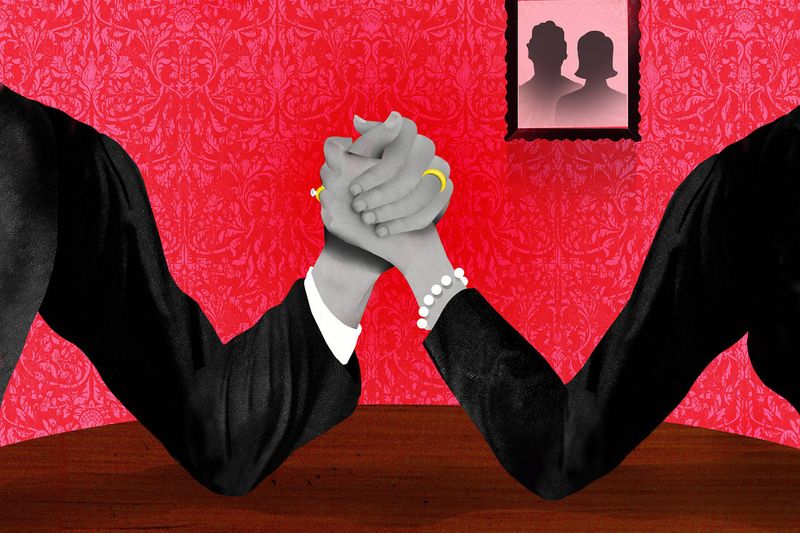
Marriage is not a contest, yet some couples fall into the trap of competing with each other over careers, parenting, finances, or even who is more tired. This mindset turns partners into rivals instead of teammates.
Celebrate each other’s wins as shared victories. When your spouse succeeds, your family wins too.
Shifting from a competitive mindset to a collaborative one transforms the energy in a marriage. You are on the same team, and playing together is always more rewarding than playing against each other.
35. Skipping Physical Affection

A quick kiss before leaving the house, a hand on the shoulder during dinner, a hug before bed. These small physical moments might seem minor, but they are the glue that holds emotional closeness together.
When physical affection disappears completely, partners begin to feel more like strangers than lovers. You do not need a grand romantic gesture every day.
Simple, consistent touch communicates warmth and care in ways that words sometimes cannot. Do not let physical closeness quietly fade from your marriage.
36. Oversharing Marriage Problems With Others

Venting to a friend once in a while is normal, but making your marriage problems public entertainment is a boundary violation that can cause serious damage. Once private details are shared widely, they are nearly impossible to take back.
Your spouse deserves the dignity of privacy. Work through conflicts within the marriage first, and seek professional help when needed.
Sharing intimate struggles with too many outside voices muddies the waters and often makes resolution harder, not easier.
37. Failing to Celebrate Each Other

Promotions, personal milestones, small victories, and big achievements all deserve acknowledgment from the person who matters most. When your spouse stops being your biggest fan, something important has been lost.
Celebrating each other does not require expensive gifts or elaborate plans. A heartfelt “I am so proud of you” or a special dinner at home can mean the world.
Couples who cheer for each other build a culture of encouragement that strengthens their bond through every season of life.
38. Letting Resentment Build Silently

Resentment is like a slow-burning fire. You might not see the flames right away, but the damage is already happening underneath the surface.
Many couples go months or even years without addressing it, and by then the relationship is seriously scorched.
Addressing small hurts as they happen prevents them from calcifying into permanent bitterness. Check in with yourself regularly about what you are feeling and why.
Sharing those feelings with your partner, even imperfectly, is far better than letting resentment quietly consume your marriage.
39. Disengaging During Arguments

Stonewalling, which means completely withdrawing during a conflict, is one of the four behaviors that relationship researcher John Gottman links directly to divorce. Walking out, going blank, or shutting down sends a devastating message to your partner.
Taking a short break to calm down is healthy, but completely checking out is not. Agree on a reset signal with your spouse and always return to the conversation.
Staying engaged, even when it is uncomfortable, shows your partner that the relationship is worth fighting for.
40. Assuming the Worst About Your Spouse

Jumping to the worst possible conclusion every time your spouse does something unexpected is exhausting for both of you. Chronic suspicion and negative assumptions create an atmosphere of distrust that slowly suffocates a marriage.
Give your partner the benefit of the doubt as a default. Most of the time, a late arrival or a forgotten chore is not evidence of betrayal or disrespect.
Choosing to assume good intentions keeps the emotional climate of your marriage warm, open, and genuinely safe for both of you.
41. Not Saying “I Love You” Anymore

Three words, said with meaning, can shift the entire energy of a day. When couples stop saying “I love you” regularly, it is often a sign that emotional connection has started to drift without either person fully noticing.
Words of affirmation matter deeply to many people. Do not assume your spouse knows how you feel just because you are still married.
Say it out loud, write it in a note, text it during the day. Love that is expressed regularly is love that stays alive.