
Life in the 1940s looked very different for women than it does today. From the clothes they wore to the jobs they could hold, nearly every part of a woman’s daily life was shaped by strict rules and expectations.
Looking back at these norms is both eye-opening and a little shocking. Here are 17 things women did back then that most of us can barely wrap our heads around today.
1. Wearing Skirts and Dresses Every Single Day
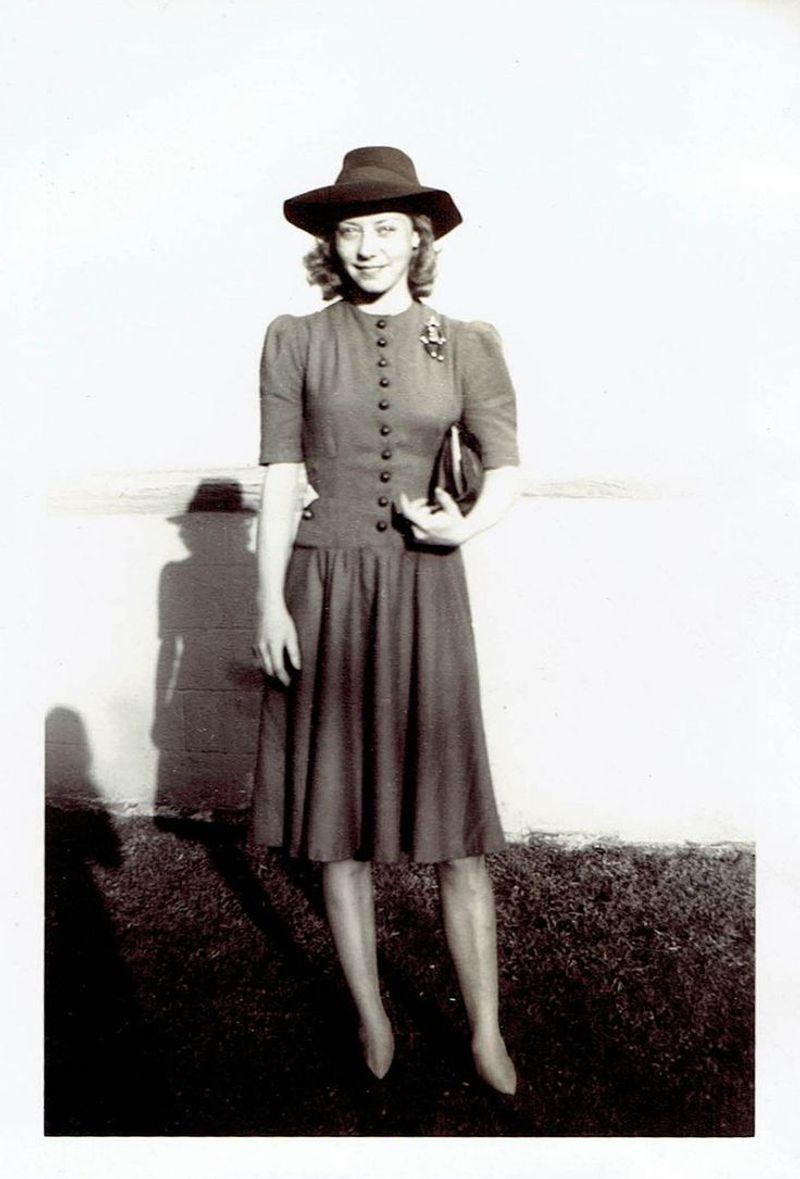
Pants were practically off-limits for women in public during the 1940s. Skirts and dresses were not just a fashion choice — they were a social rule.
Wearing trousers could get a woman stared at, whispered about, or even turned away from certain places.
It seems hard to believe now, when leggings and jeans are everyday staples. Back then, breaking the dress code meant breaking an unspoken social contract that very few dared to challenge.
2. Feeling Pressured to Marry Young
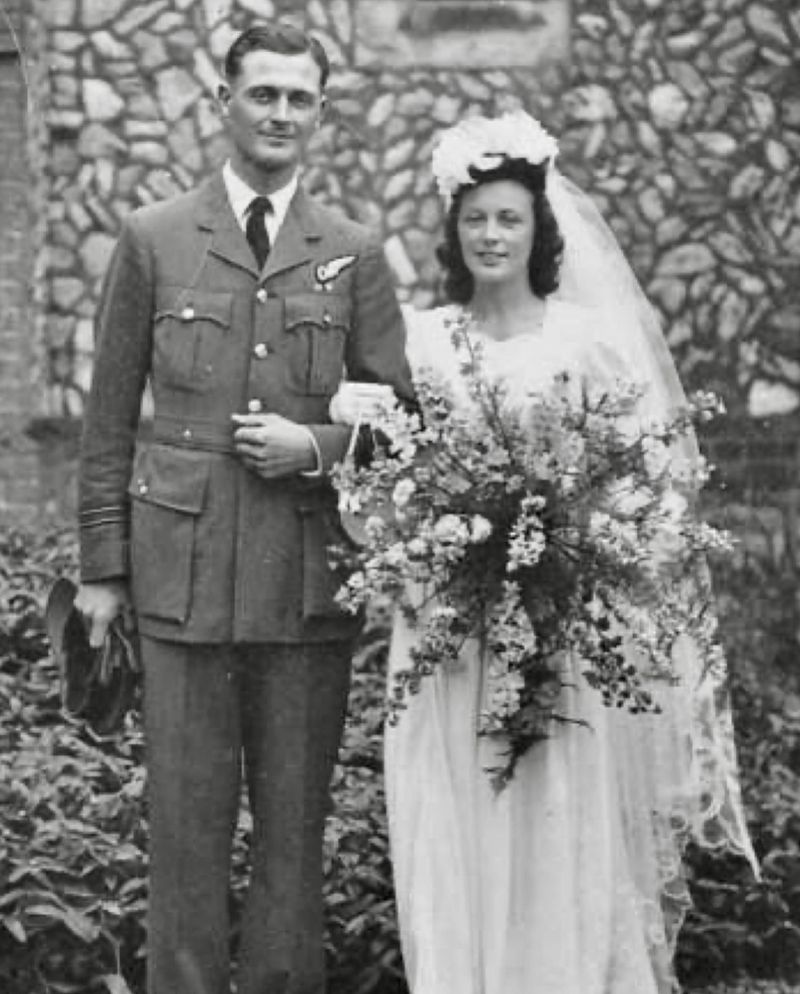
Getting married young was not just expected in the 1940s — it was practically a requirement. Girls in their late teens and early twenties were often seen as “behind” if they were not already engaged or wed.
Society made it clear that a woman’s greatest achievement was landing a husband. Personal dreams, travel, or career goals often took a back seat to the wedding planning calendar without a second thought.
3. Being Expected to Stay Home as a Housewife
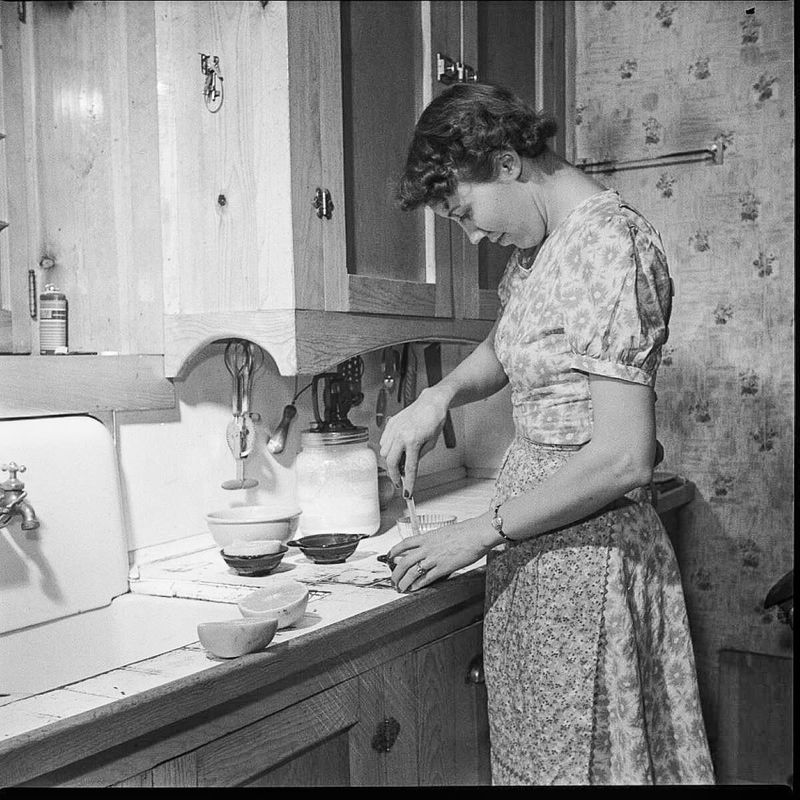
For most women in the 1940s, life after marriage meant one thing: staying home. Cooking three meals a day, scrubbing floors, doing laundry by hand, and raising children was considered a full-time job — and the only acceptable one.
Ambitions beyond the household were often dismissed or discouraged. A woman who wanted a career was seen as unusual, even selfish.
The home was her world, and stepping outside of it professionally was rarely encouraged.
4. Being Stuck in Secretarial Roles at Work
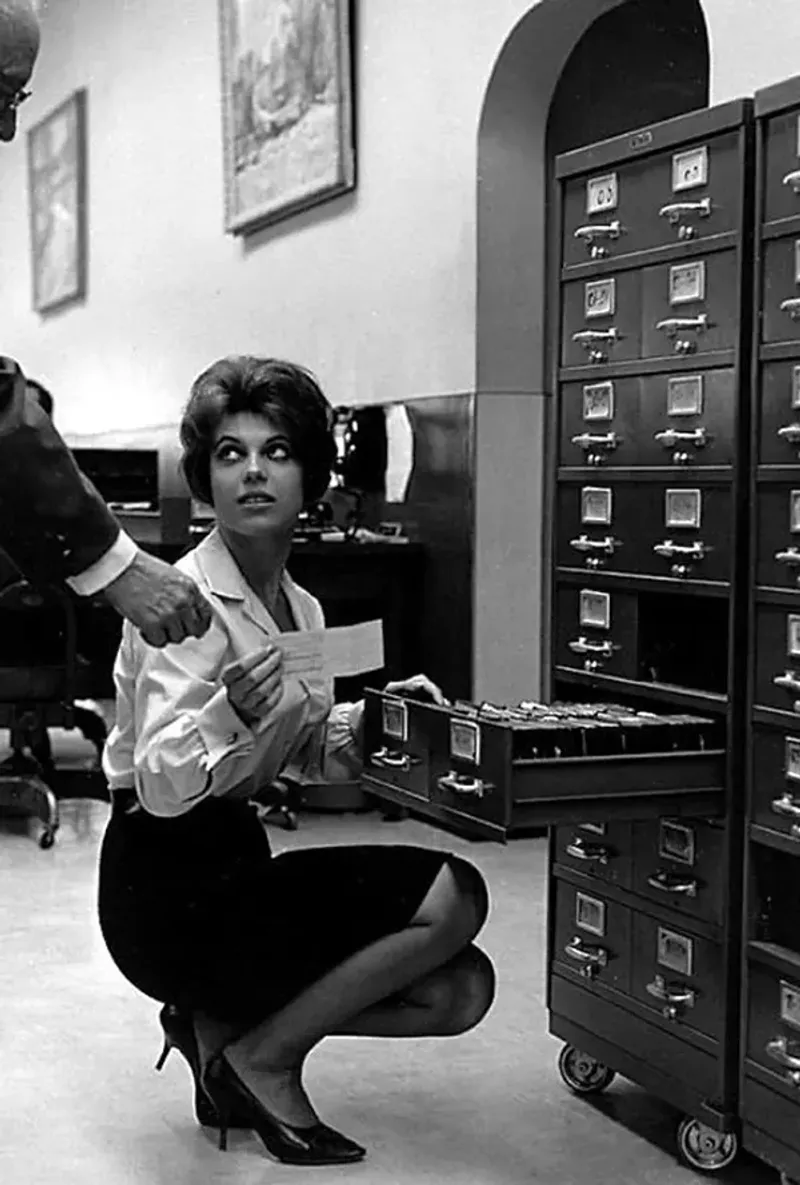
When women did work outside the home, their options were seriously limited. Secretarial work was one of the most common paths available, and climbing the corporate ladder was nearly impossible for most.
No matter how smart or talented a woman was, the glass ceiling was thick and very low. Male bosses held the power, and women were largely expected to type memos, answer phones, and smile politely — not lead meetings or make big decisions.
5. Facing Barriers at the Voting Booth
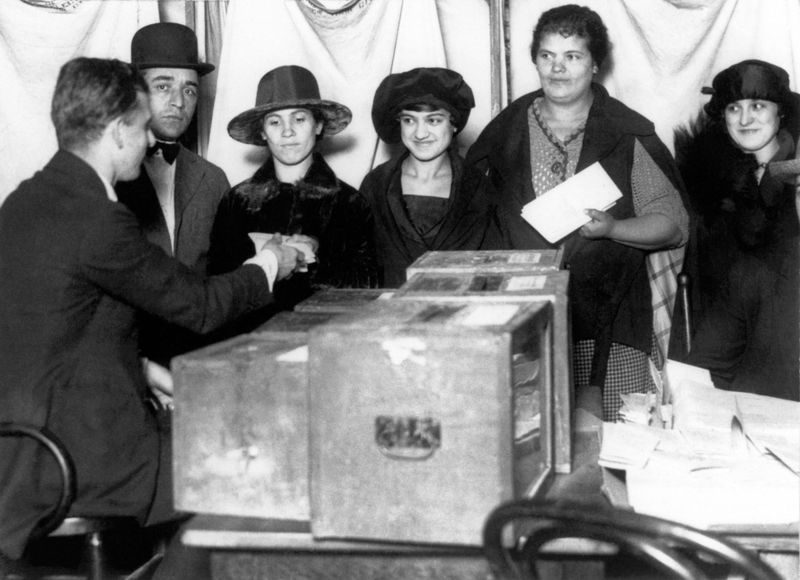
Women had technically earned the right to vote in the U.S. back in 1920, but casting a ballot in the 1940s was still far from easy. Social pressure, limited access, and outright discouragement kept many women away from the polls.
Husbands sometimes expected their wives to vote the same way they did. Women who had strong political opinions of their own were often told to keep quiet.
Real civic participation was still a long road ahead for many.
6. Skipping College to Get Married Instead
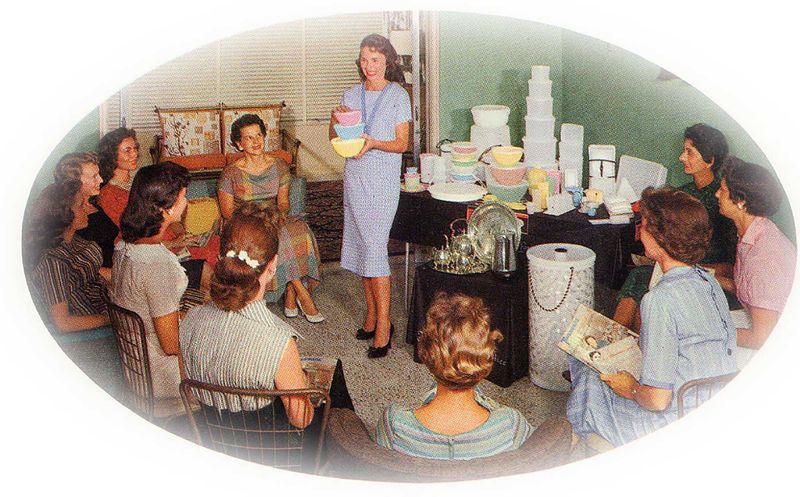
Higher education was widely considered unnecessary for women in the 1940s. Why go to college, many families reasoned, if you were just going to get married and raise children anyway?
Girls were steered toward home economics rather than law or medicine.
Those who did attend university were often there to find a husband, not a degree. The idea of a woman becoming a doctor, engineer, or professor was treated more like a joke than a goal worth pursuing seriously.
7. Following Strict and Unforgiving Fashion Rules
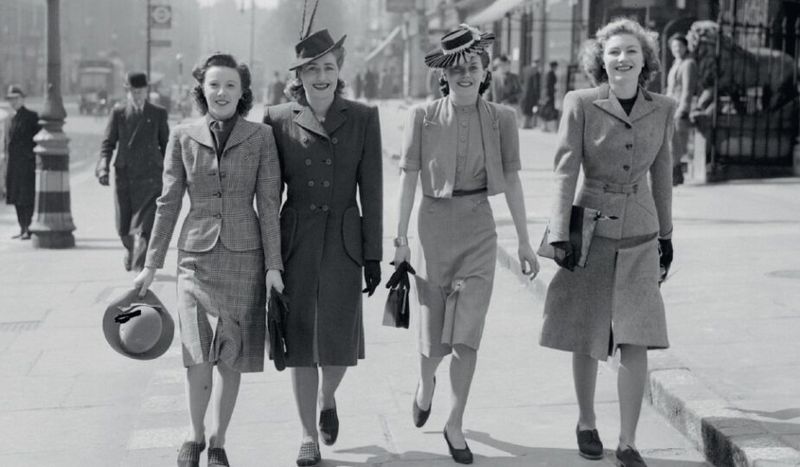
Fashion in the 1940s was anything but casual. Women were expected to wear coordinated outfits complete with hats, gloves, stockings, and heels — even for ordinary errands.
Looking “put together” was not optional; it was a daily obligation.
Showing up somewhere underdressed could invite serious social judgment. A woman without her gloves at the grocery store?
Scandalous. Today we roll out of bed and run errands in pajamas without a second thought — a luxury they simply did not have.
8. Staying Quiet in Mixed-Gender Conversations
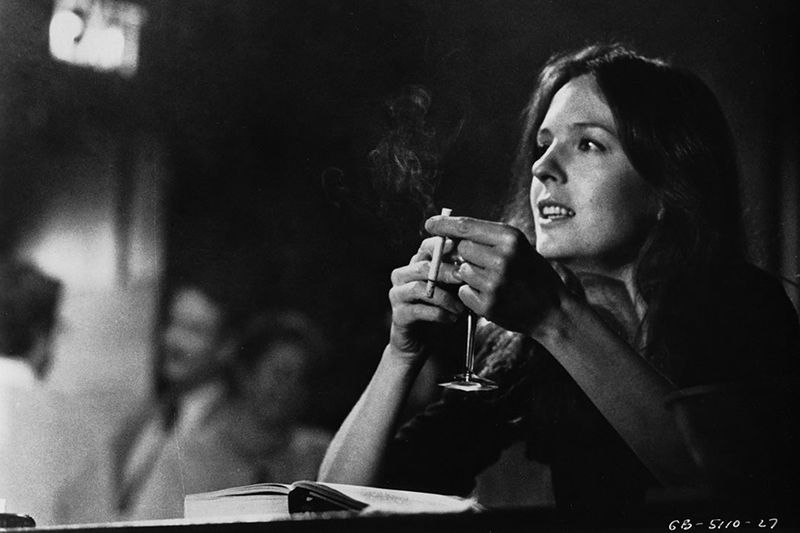
Imagine sitting in a room full of people and being expected to say nothing. For many women in the 1940s, that was just normal.
Mixed-gender conversations were often dominated by men, and women who spoke up too boldly risked being labeled as rude or difficult.
Their opinions were frequently brushed aside or talked over. Being agreeable and soft-spoken was considered a virtue for women.
Speaking your mind freely, especially in front of men, was seen as stepping out of line.
9. Conforming to Impossible Beauty Standards
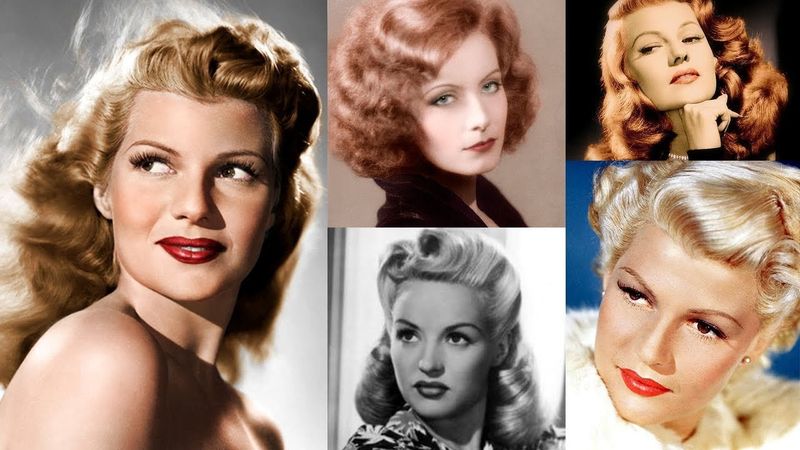
Beauty in the 1940s was not just a personal choice — it was practically a public duty. Women were judged heavily on their looks, from perfectly curled hair to red lipstick and smooth stockings.
Falling short of the ideal was noticeable and commented on.
Pin-up culture and Hollywood glamour set an almost impossible bar. Women spent considerable time and money trying to meet standards they had no hand in creating.
Looking effortlessly beautiful required a whole lot of effort behind closed doors.
10. Being Boxed Into Gendered Career Paths
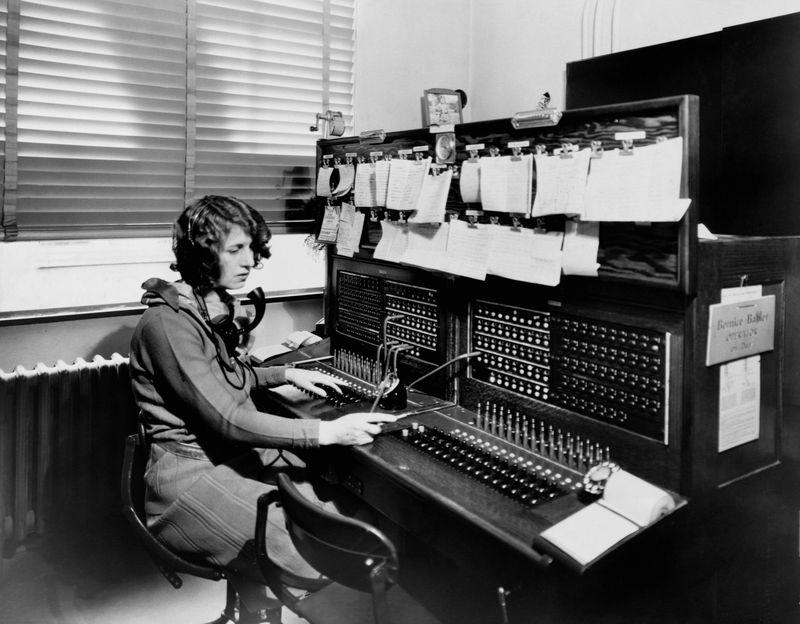
Nursing, teaching, and secretarial work — those were the big three career options considered acceptable for women in the 1940s. Anything outside that narrow lane was viewed with suspicion or outright disapproval by employers and society alike.
Women who showed interest in fields like law, engineering, or business were often told they did not belong there. Talent and intelligence did not open many doors when gender was the deciding factor.
The career map for women was frustratingly small and deliberately kept that way.
11. Going on Dates Only With a Chaperone

Romance in the 1940s came with a built-in audience. Young couples were rarely left alone together, because a chaperone — usually an older family member — was expected to tag along on dates to keep things proper.
Holding hands might have been the boldest move allowed under such watchful eyes. The idea that two people could not be trusted alone together seems almost comical today, but back then it was taken very seriously as a matter of family honor and reputation.
12. Dressing in a Strict Workplace Uniform
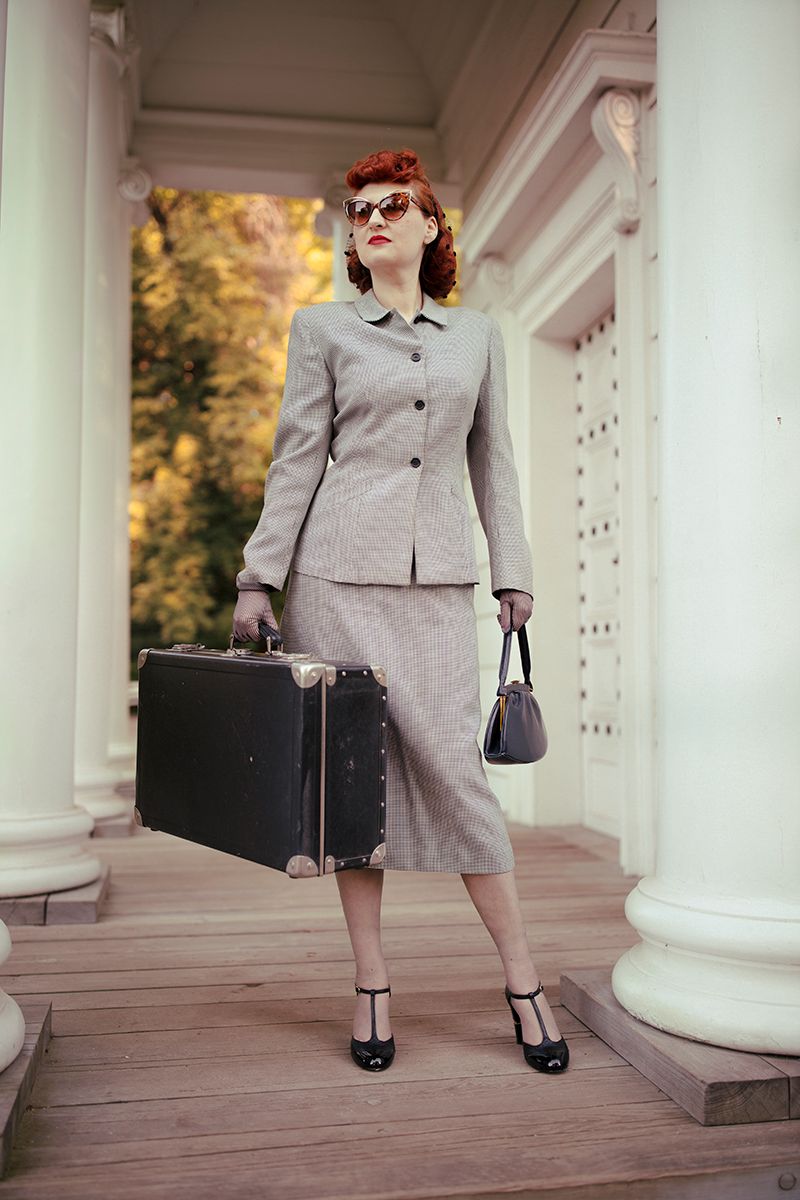
Even women who worked outside the home had very little freedom in what they wore to the office. Tailored skirt suits, hats, and gloves were the expected uniform, and deviating from that look could raise eyebrows or even cost a woman her job.
Comfort was rarely part of the equation. Imagine spending a full workday in heels, a girdle, and gloves just to answer telephones.
The modern dress-casual Friday would have seemed like something from outer space to a 1940s working woman.
13. Feeling Obligated to Have Children Right Away
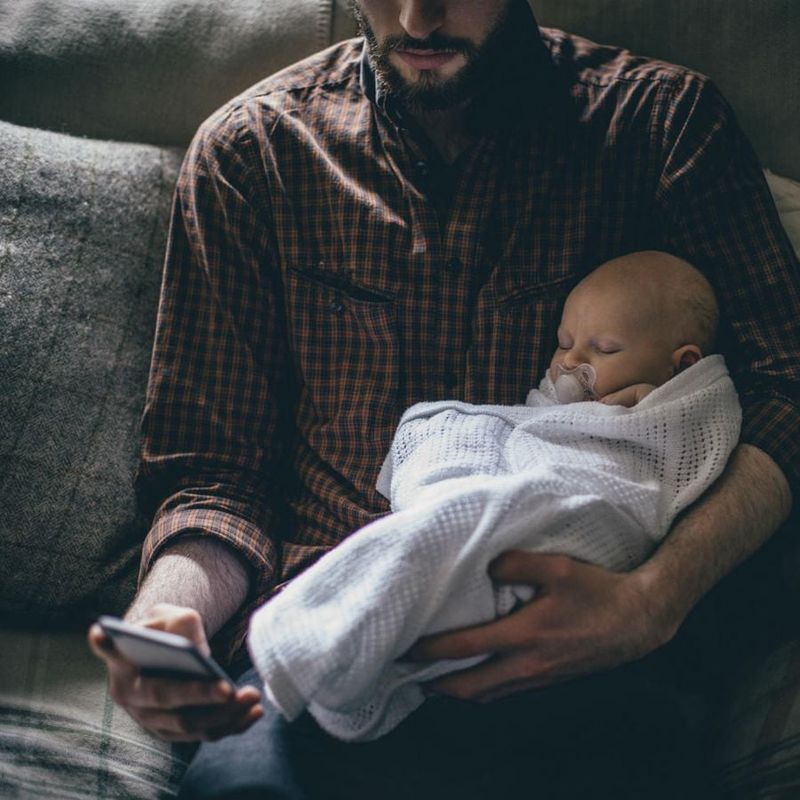
Getting married was only step one. Step two, society insisted, was having babies — and quickly.
Newlywed women in the 1940s faced enormous pressure to start a family almost immediately after the wedding, regardless of whether they felt ready.
Choosing not to have children was barely considered an option. Women who delayed motherhood or preferred a child-free life were often pitied or criticized by neighbors, family, and even doctors.
Motherhood was treated as the final and most important destination of every woman’s life journey.
14. Having Their Public Opinions Dismissed
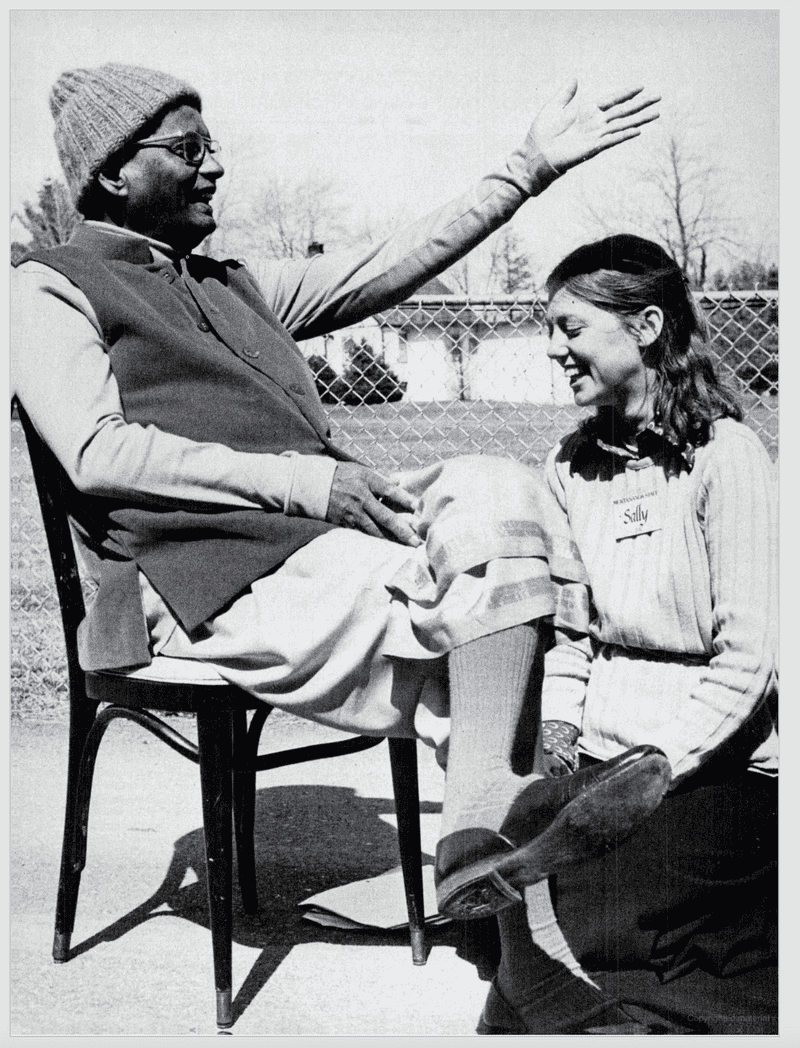
Speaking up in public was a brave act for women in the 1940s, and not always a rewarding one. Whether at a town meeting, a community event, or even a neighborhood gathering, women who voiced strong opinions were often met with eye rolls or polite dismissal.
The message was clear: their views simply mattered less. It took real courage to keep speaking in a world that routinely talked over you.
Many women stayed silent not because they had nothing to say, but because no one was truly listening.
15. Being Shut Out of Political Life
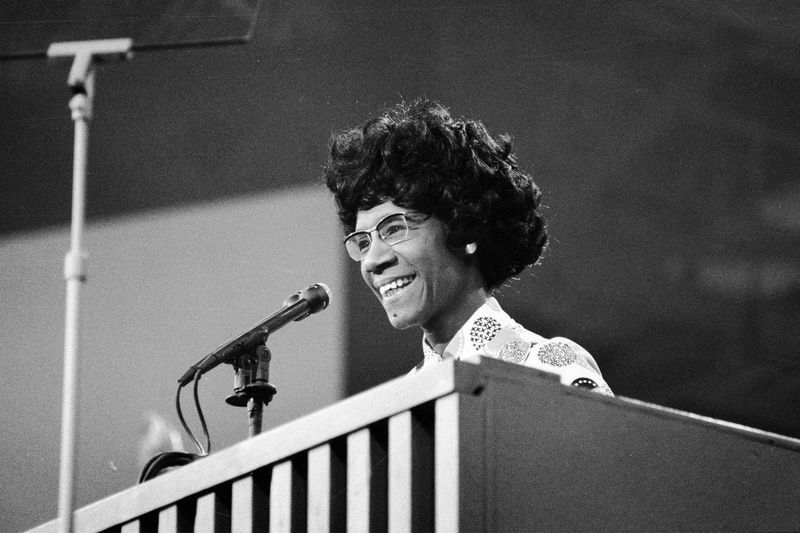
Politics in the 1940s was almost entirely a men’s club. Women could vote, yes, but actually running for office, shaping policy, or being taken seriously as a political voice was a different story altogether.
Female politicians were rare enough to be considered novelties. Women who pushed for a seat at the table were often told to go back to the kitchen — sometimes literally.
Real political power was guarded carefully, and the gatekeepers were not interested in sharing it with women anytime soon.
16. Having Almost No Reproductive Rights
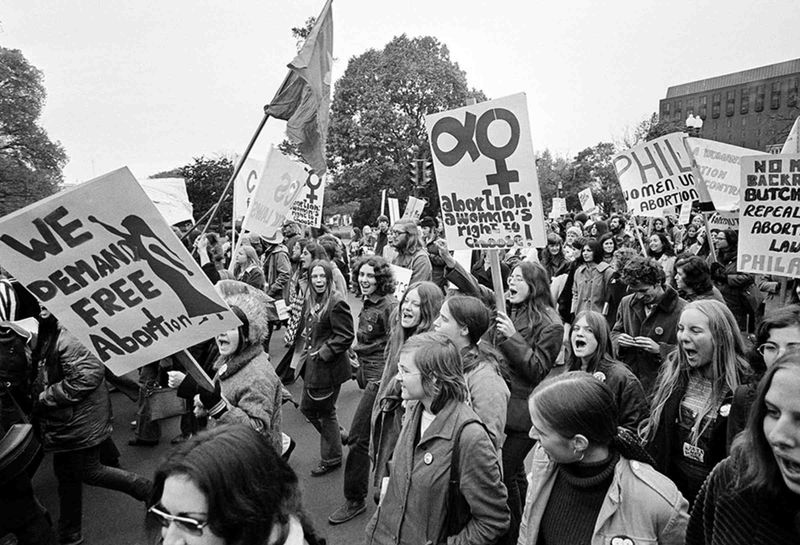
Family planning was a foreign concept for most women in the 1940s. Access to birth control was severely limited, and discussing reproductive health openly was considered taboo.
Women had little say in decisions that directly affected their own bodies.
Medical care was often delivered without much explanation or consent. Doctors — almost always men — made decisions for women rather than with them.
The idea that a woman had the right to control her own reproductive future was not yet a widely accepted or protected reality.
17. Living Under the “No Pants” Rule in Public
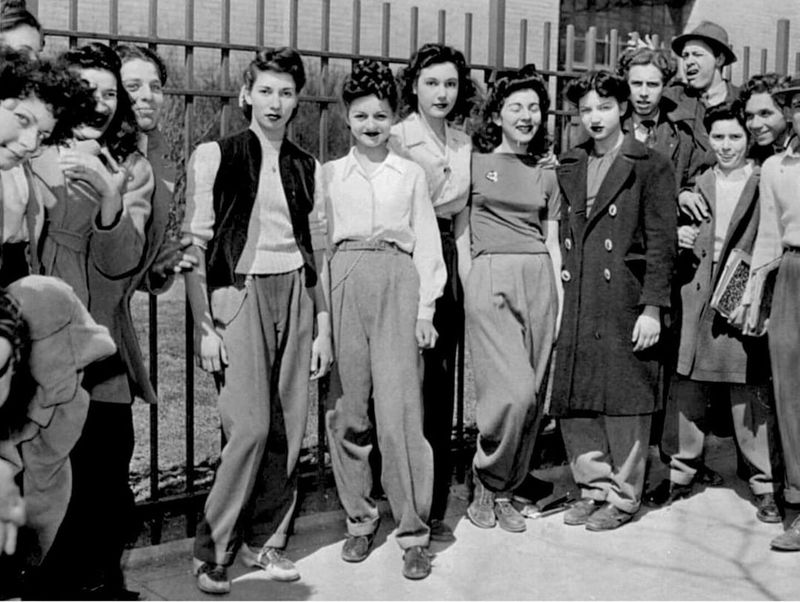
Here is a fun fact that really puts things in perspective: in many parts of the country during the 1940s, women wearing pants in public could actually be turned away from restaurants, offices, or social events. Trousers were simply not for ladies, full stop.
Even practicality did not matter — whether you were gardening, traveling, or working a physical job, skirts were still the expectation. Today, pants are one of the most universal clothing items on the planet.
Back then, for women, they were practically a rebellious act.